Certificate
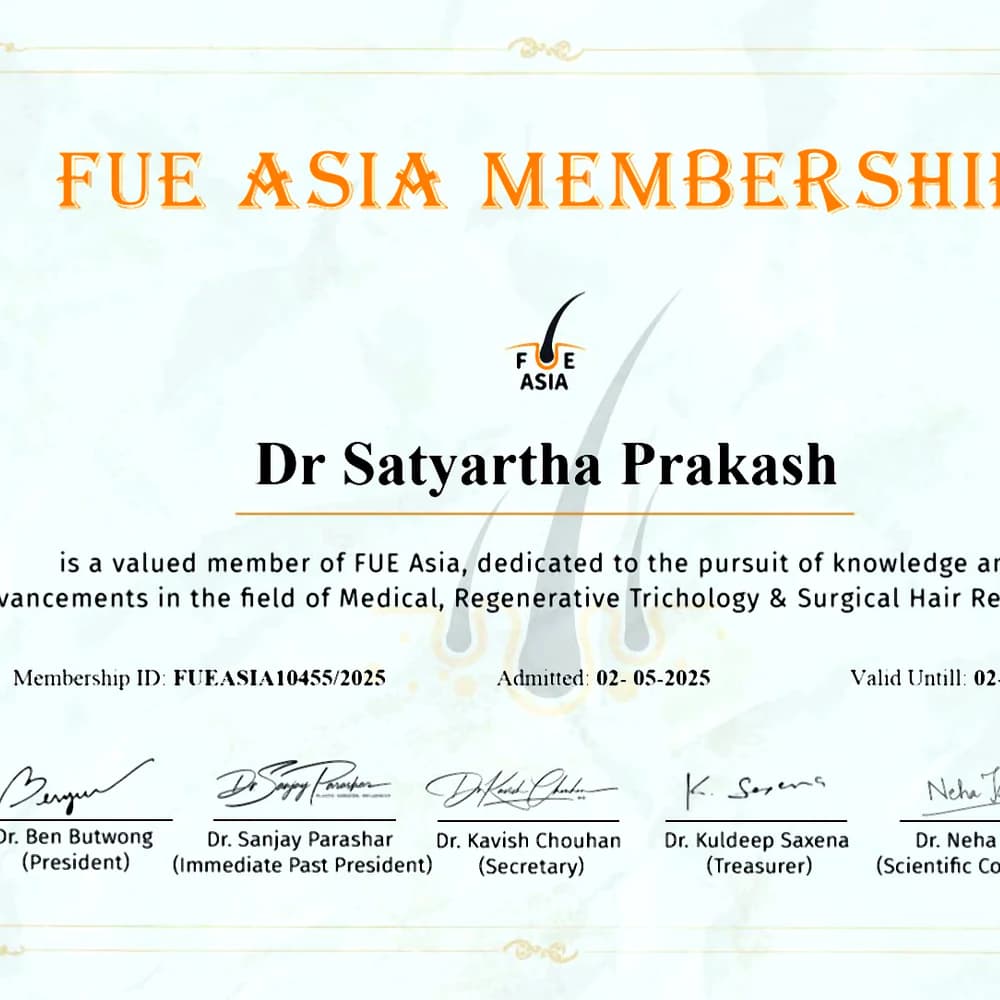
Fue Asia Membership Certificate
A recognition certificate from Radiance Clinics.
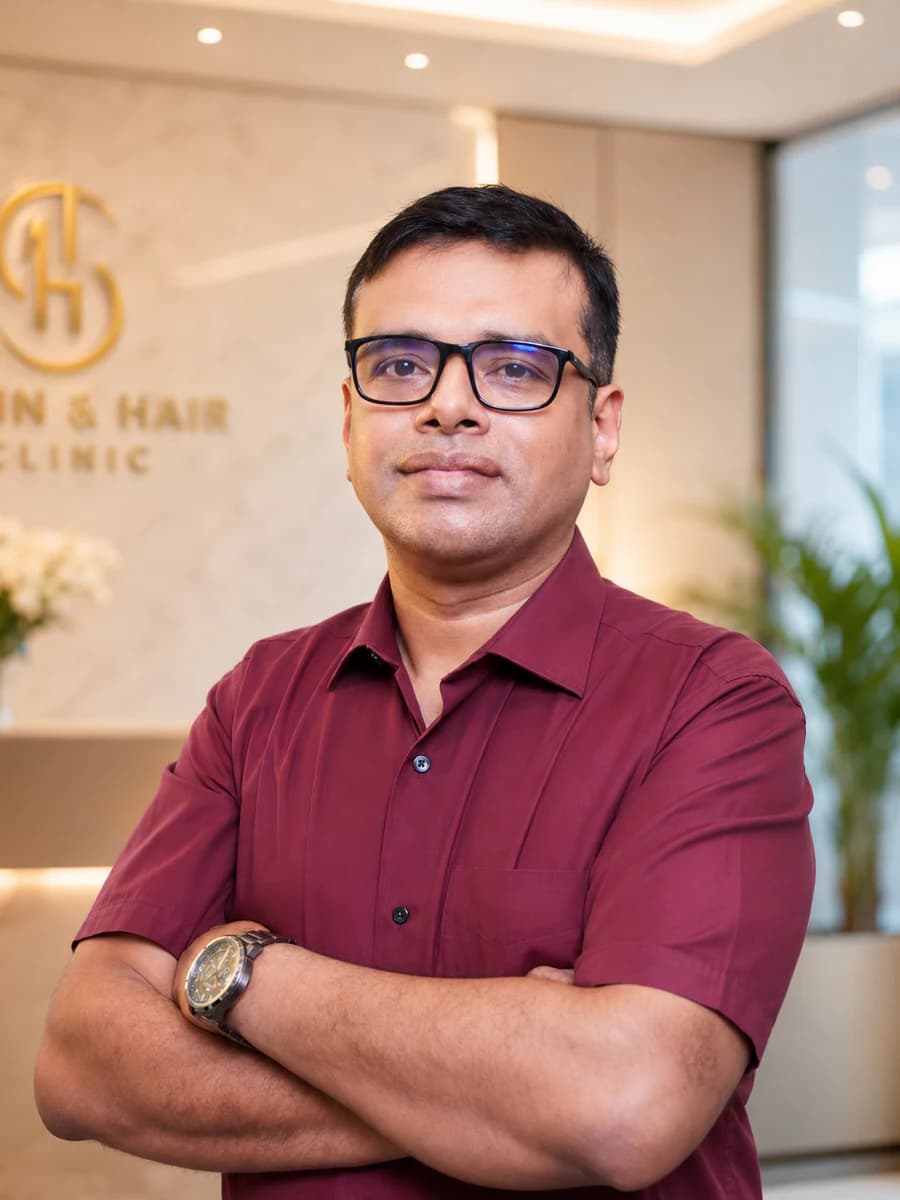
Doctor-led hair transplant, skin, laser and aesthetic treatments by Dr. Satyarth Prakash at Radiance Clinics, Bhubaneswar.
Radiance Clinics
Skin, hair, laser and aesthetic care in Bhubaneswar.
Patients
25,000+
Experience
30+
Recognition
2025
Location
BBSR
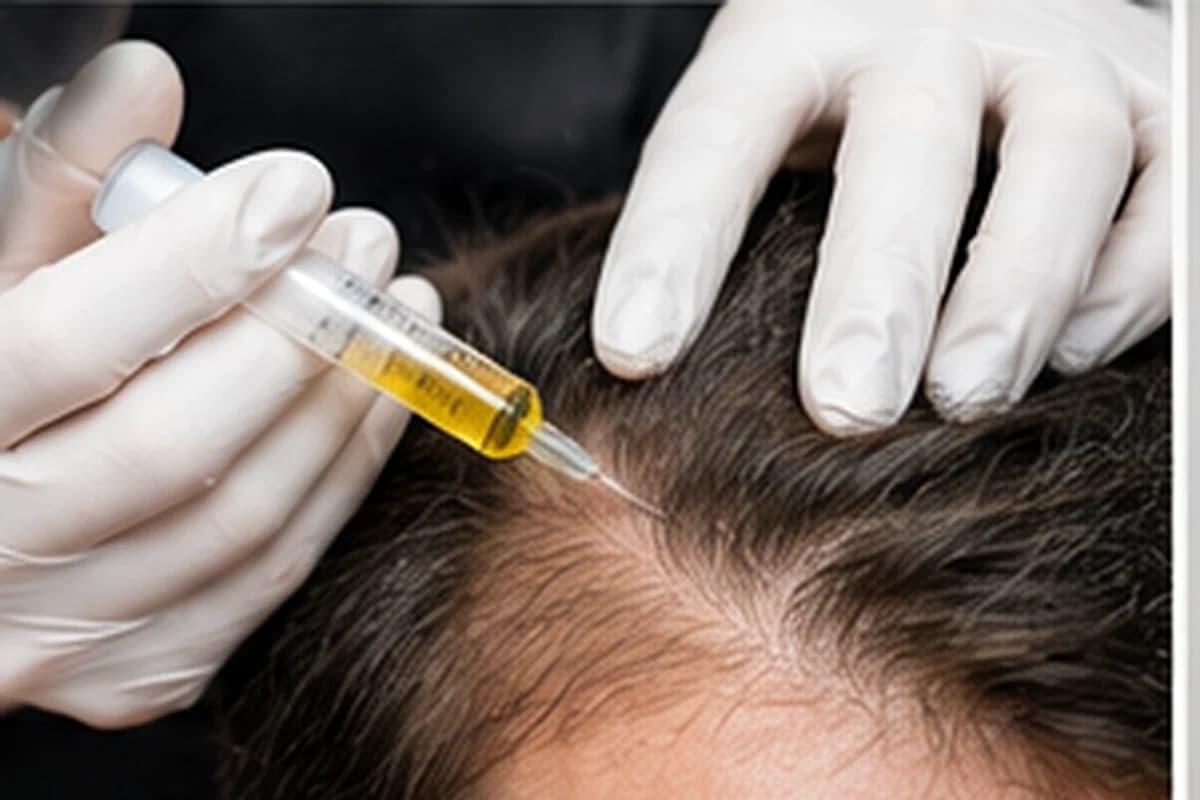
Hair Transformation Examples
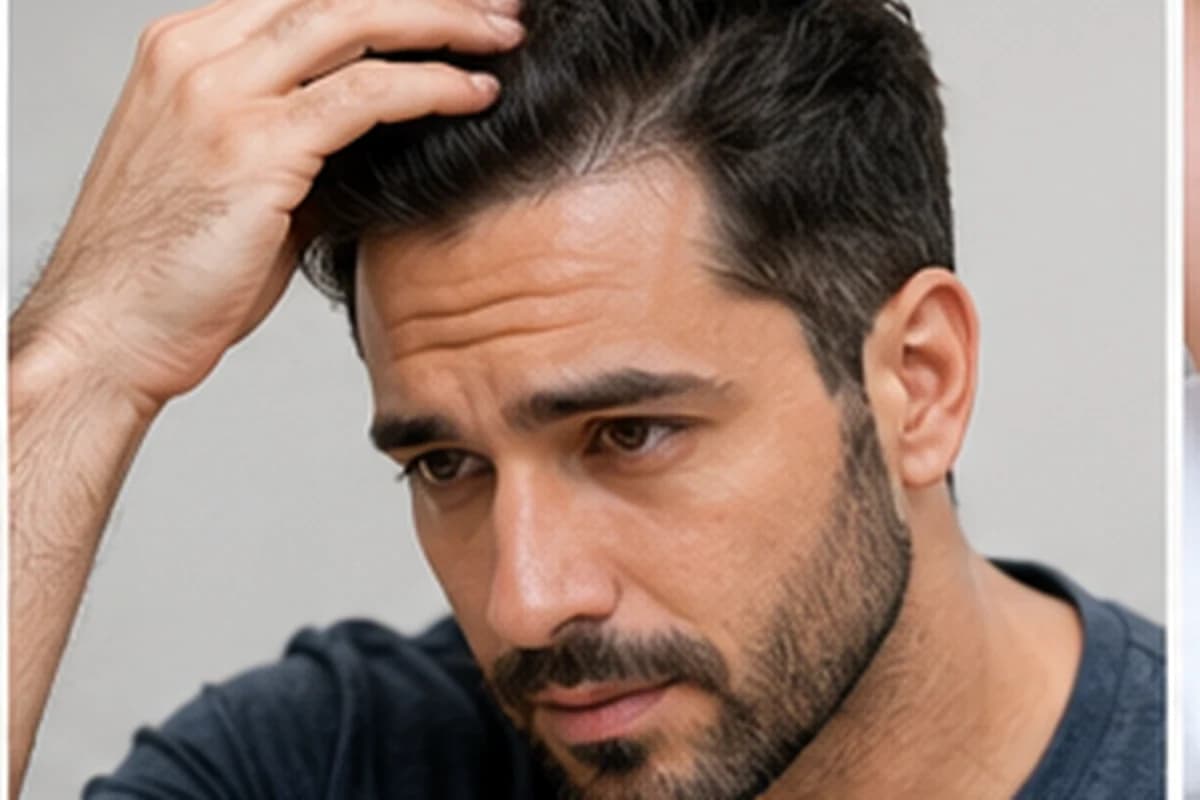
Condition: Advanced Male Pattern Baldness
Matched before-and-after images are shown for education and consultation discussion.
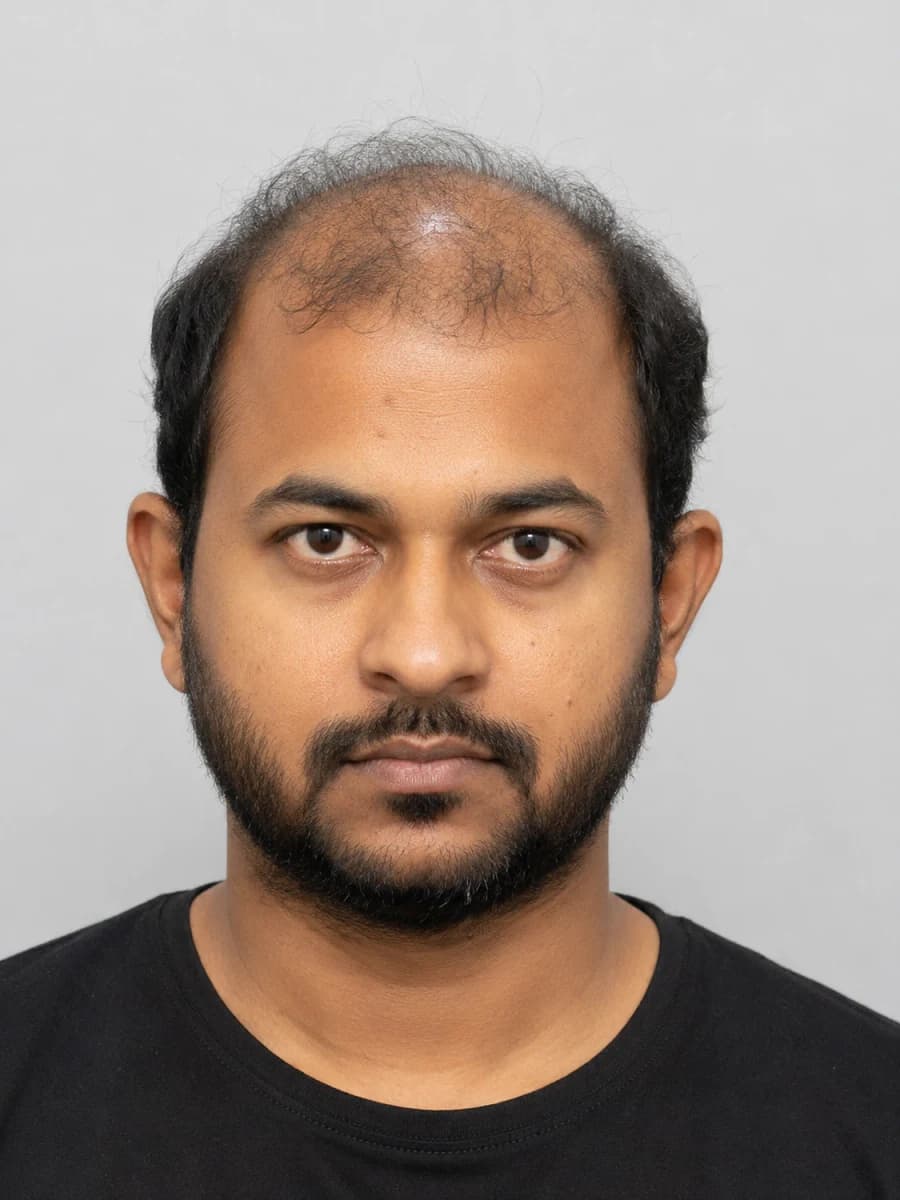
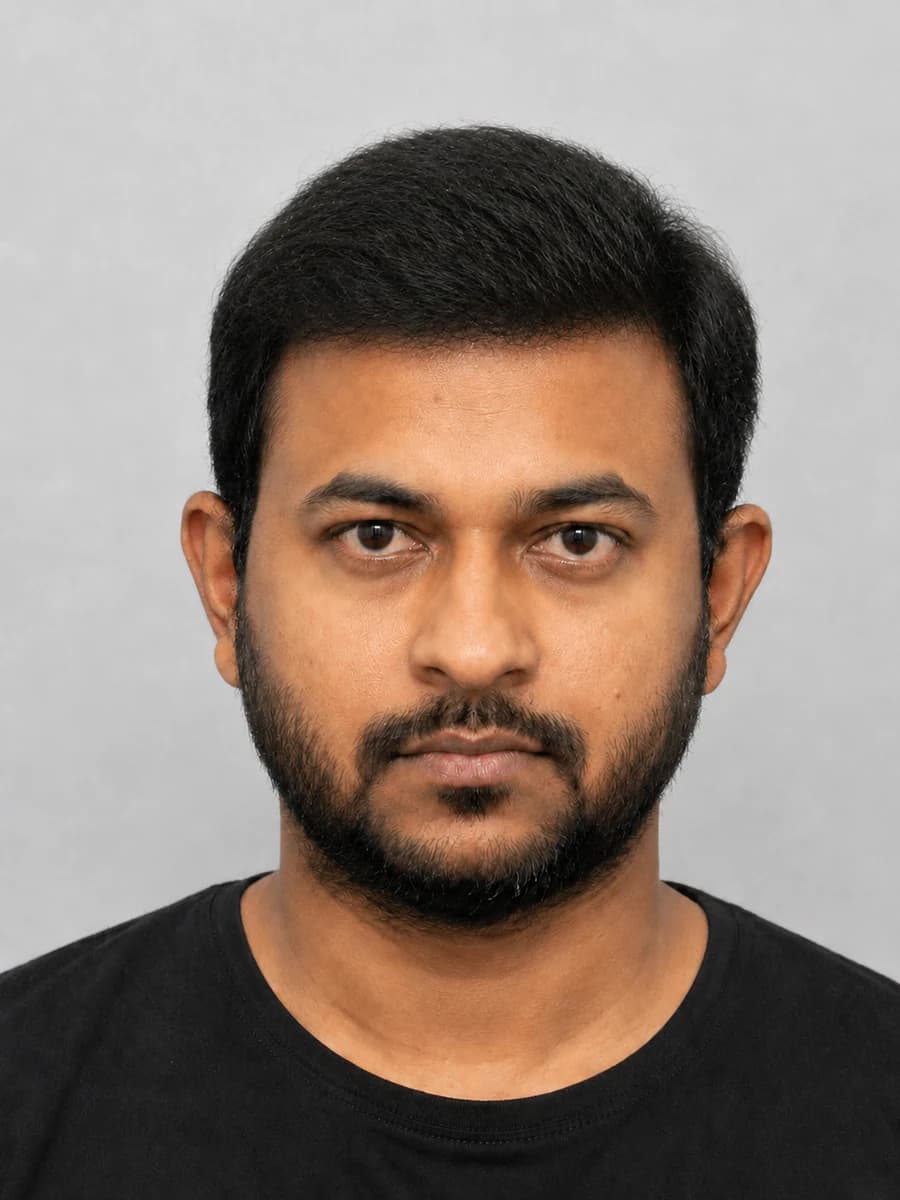
Results vary by individual. Images are shared with consent. A consultation is required.
Treatment
Hair Transplant
Timeline
Timeline discussed during consultation
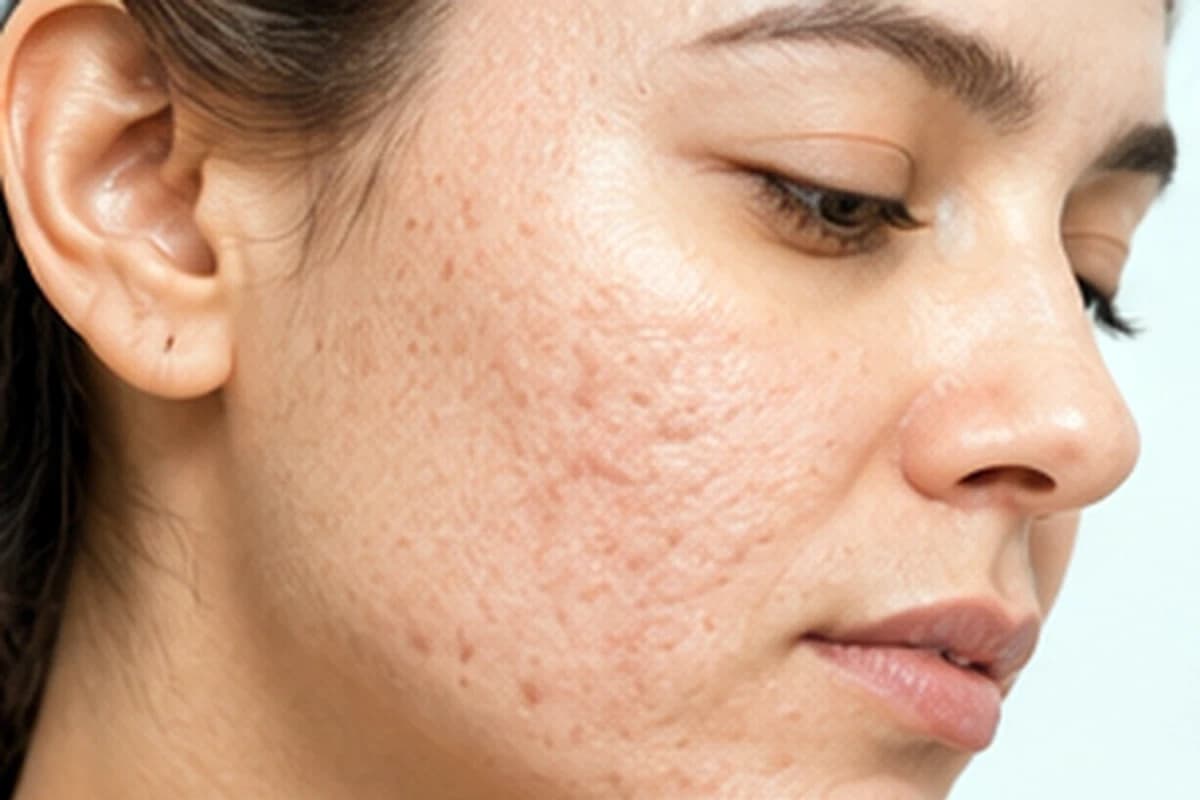
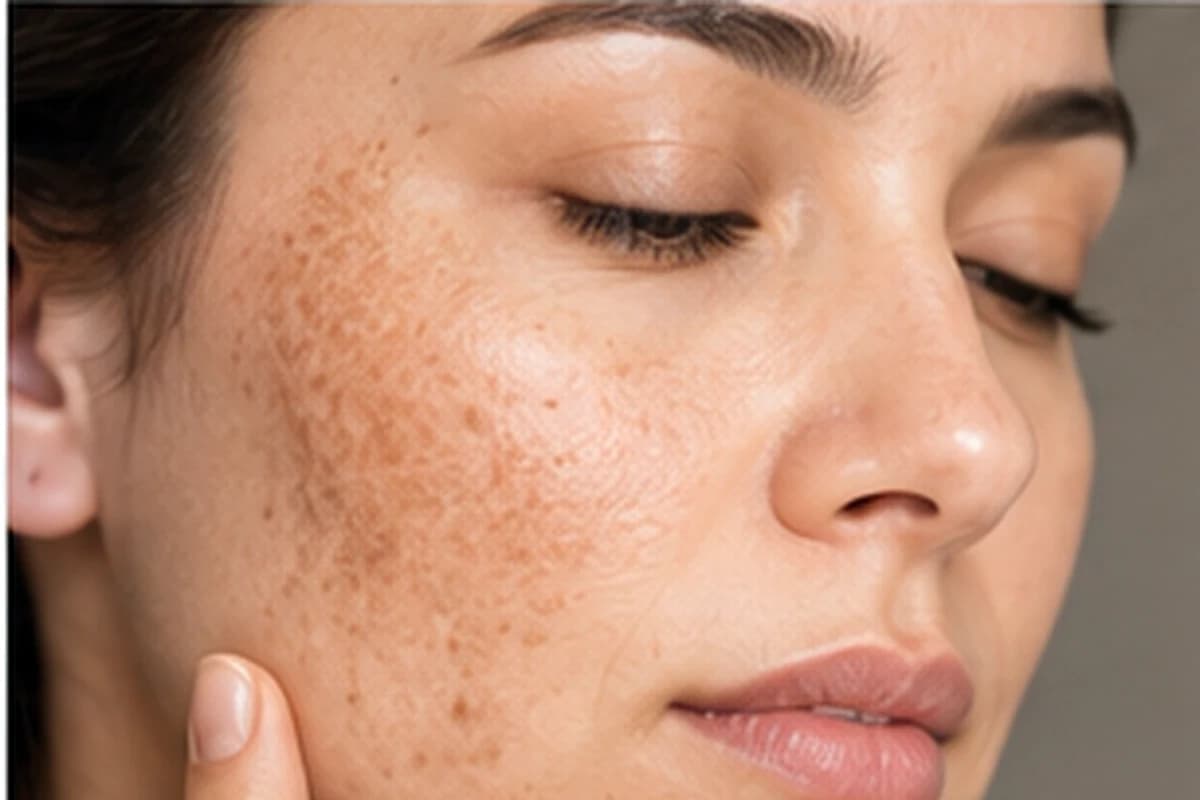
Skin Improvement Examples
Condition: Acne
Matched before-and-after images are shown for education and consultation discussion.
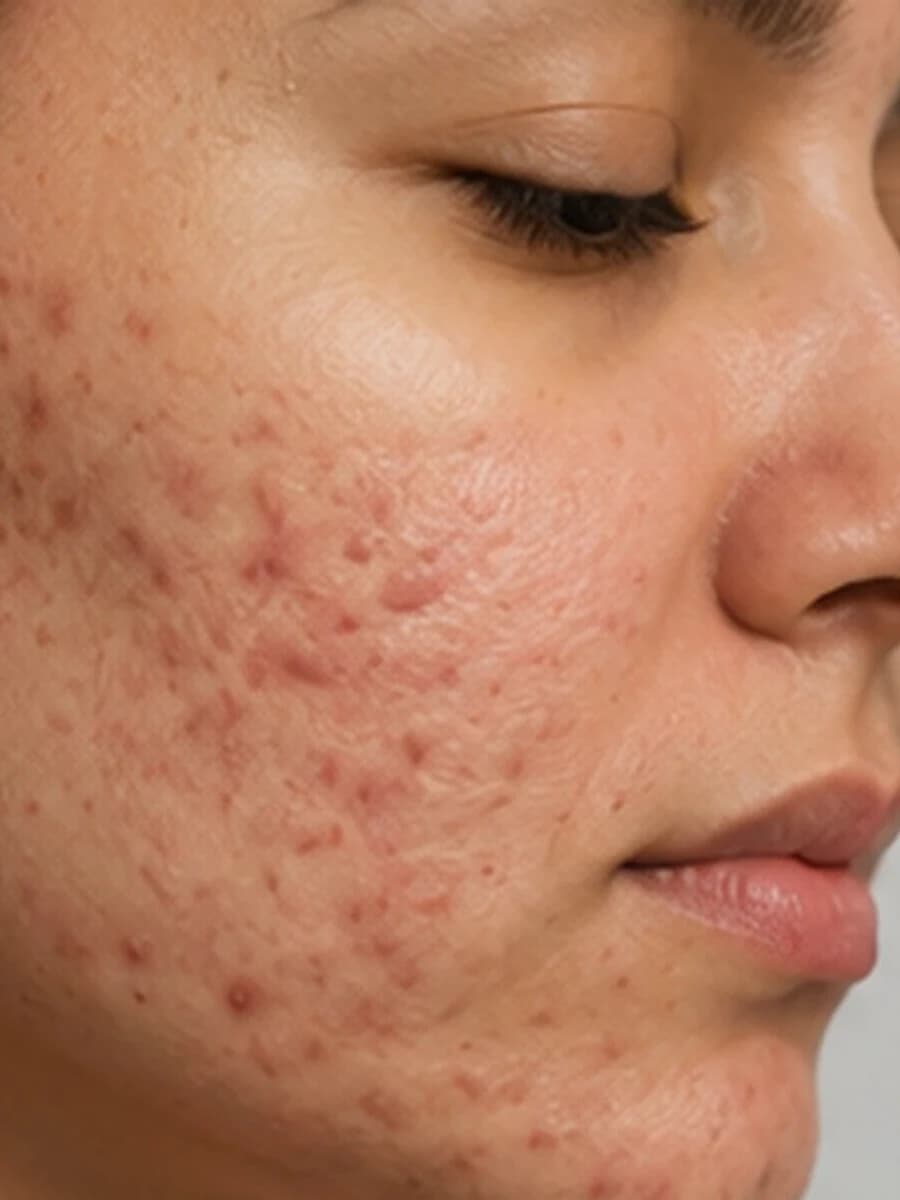
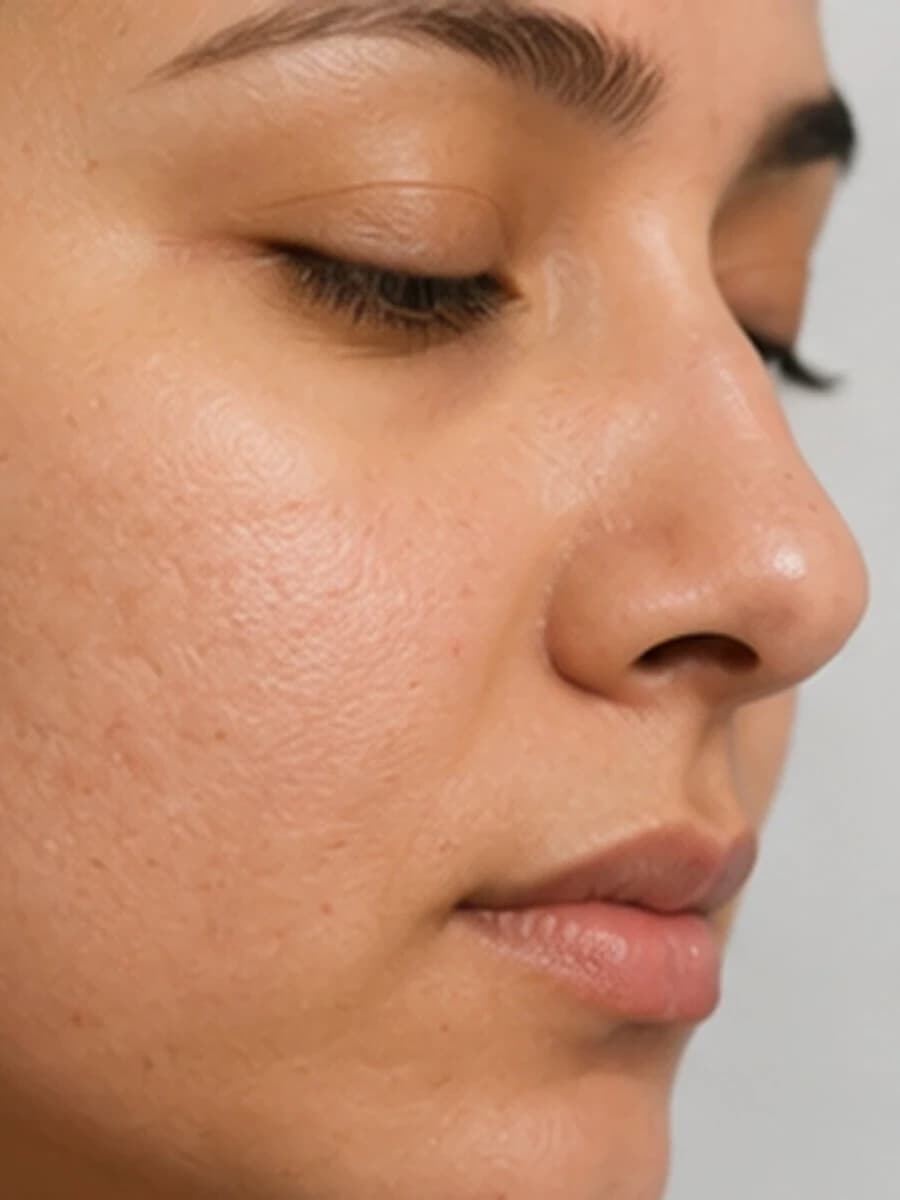
Results vary by individual. Images are shared with consent. A consultation is required.
Treatment
Acne Treatment
Timeline
Timeline discussed during consultation
Signature Treatments
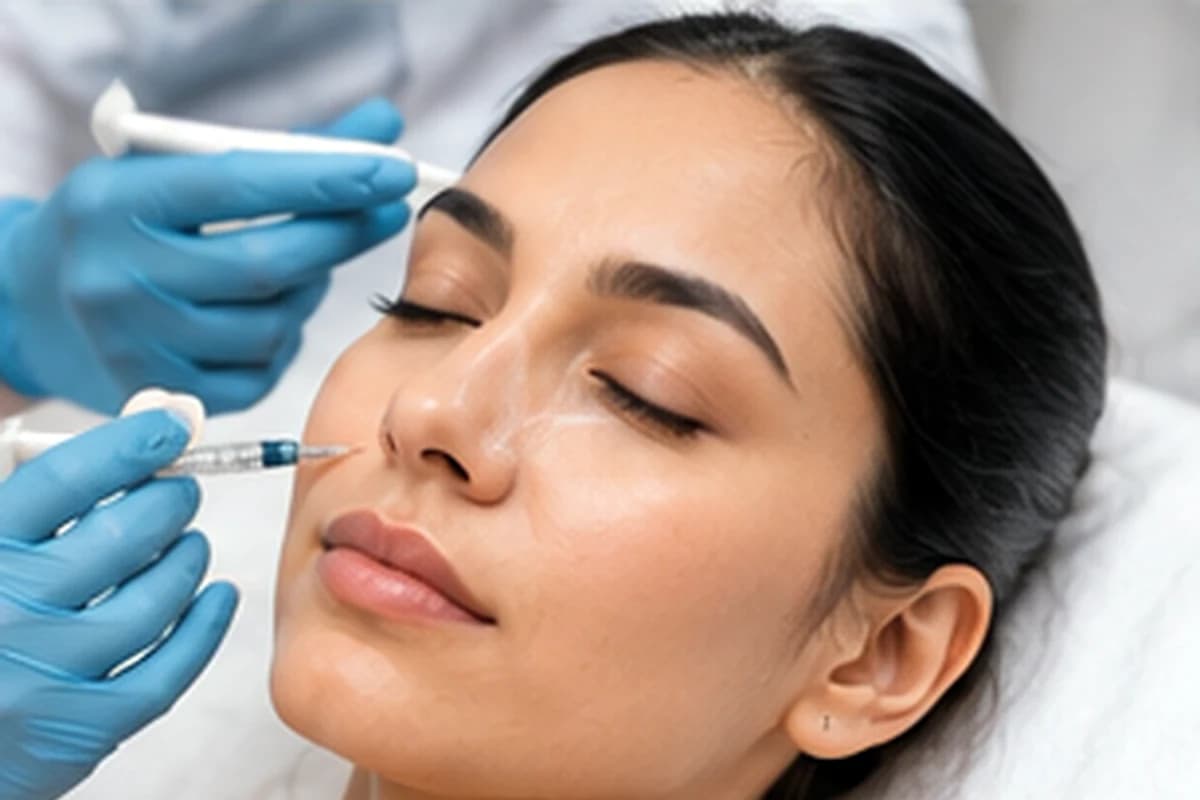
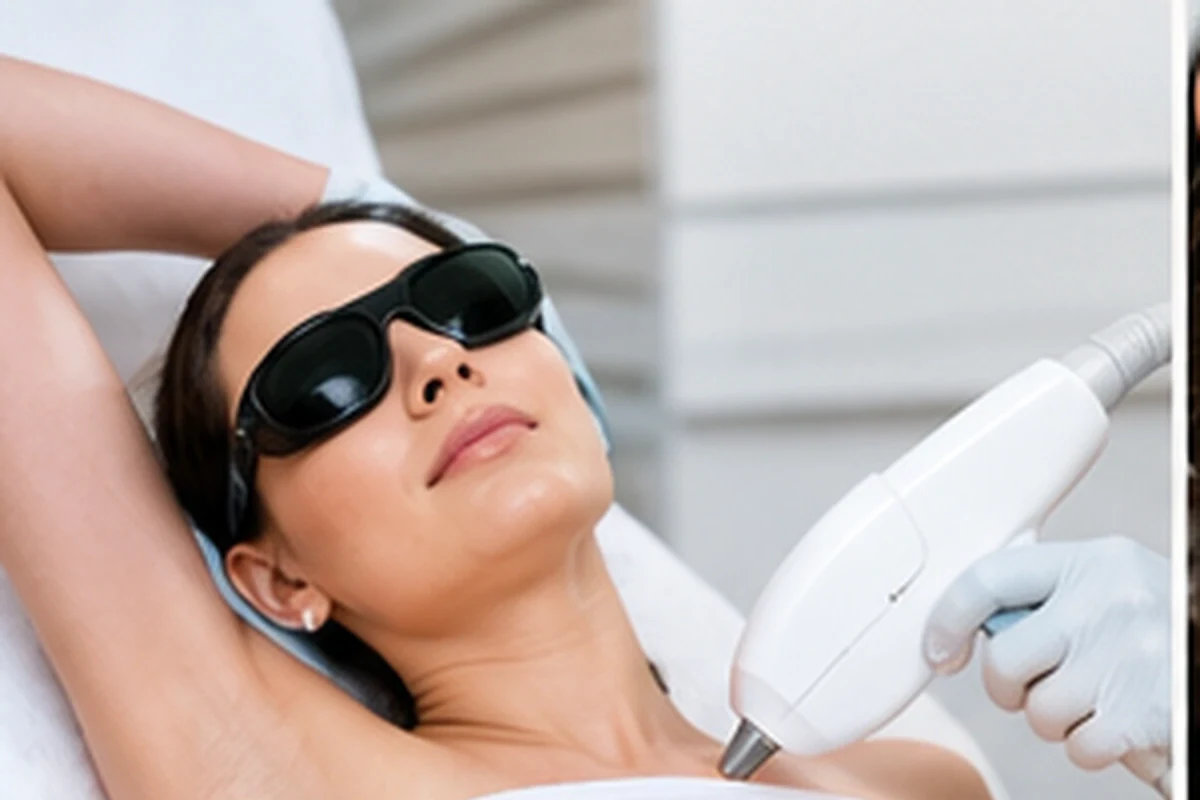
Explore hair restoration, hair transplant planning, hair fall care, skin and laser treatments, pigmentation care, acne scar revision and subtle aesthetic dermatology.

Skin
Doctor-led care for acne, scars, pigmentation, redness, pores and skin quality.
Treatment Options
Each service begins with doctor-led assessment, realistic expectations and a clear plan for preparation, treatment and aftercare.
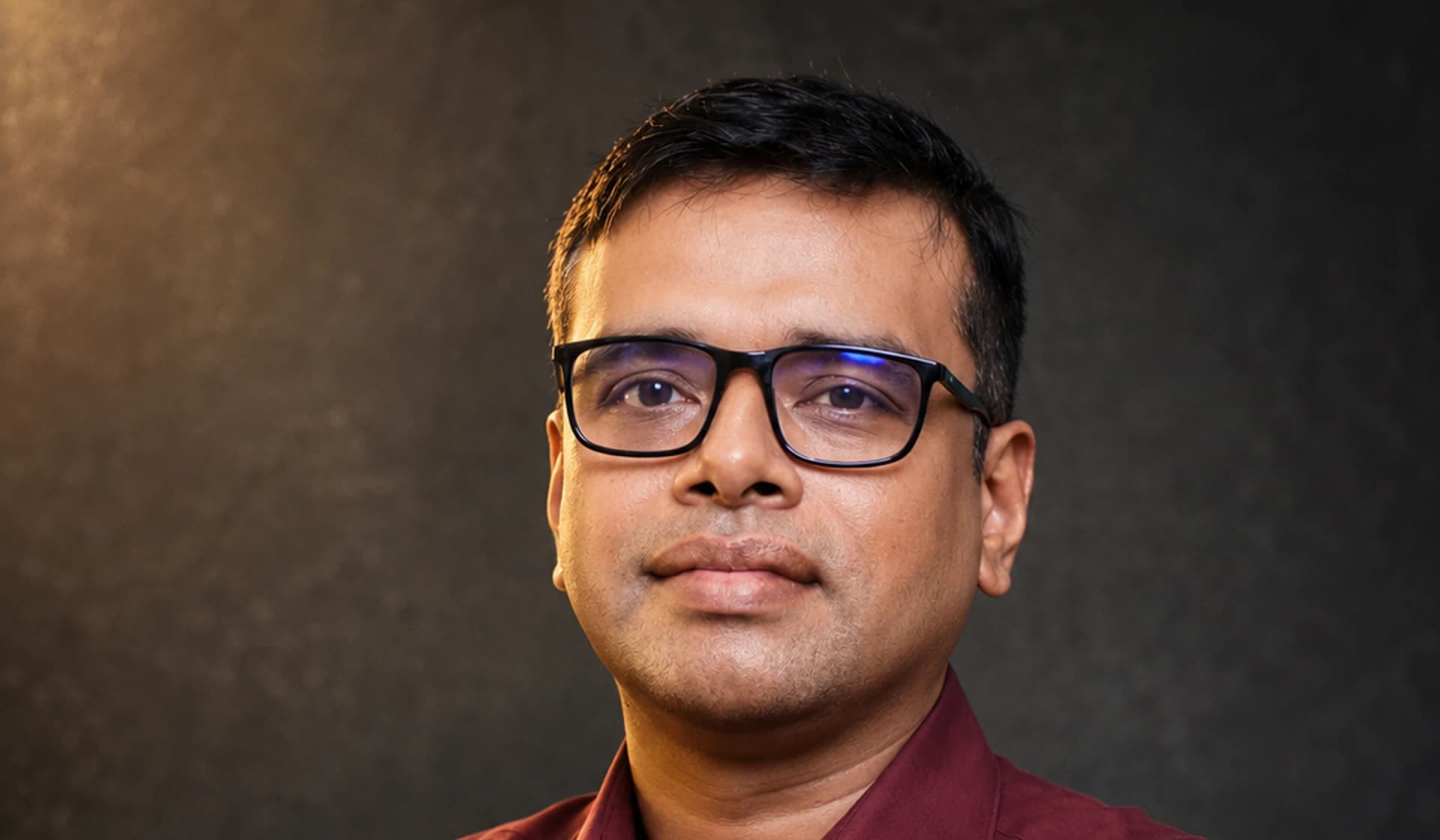
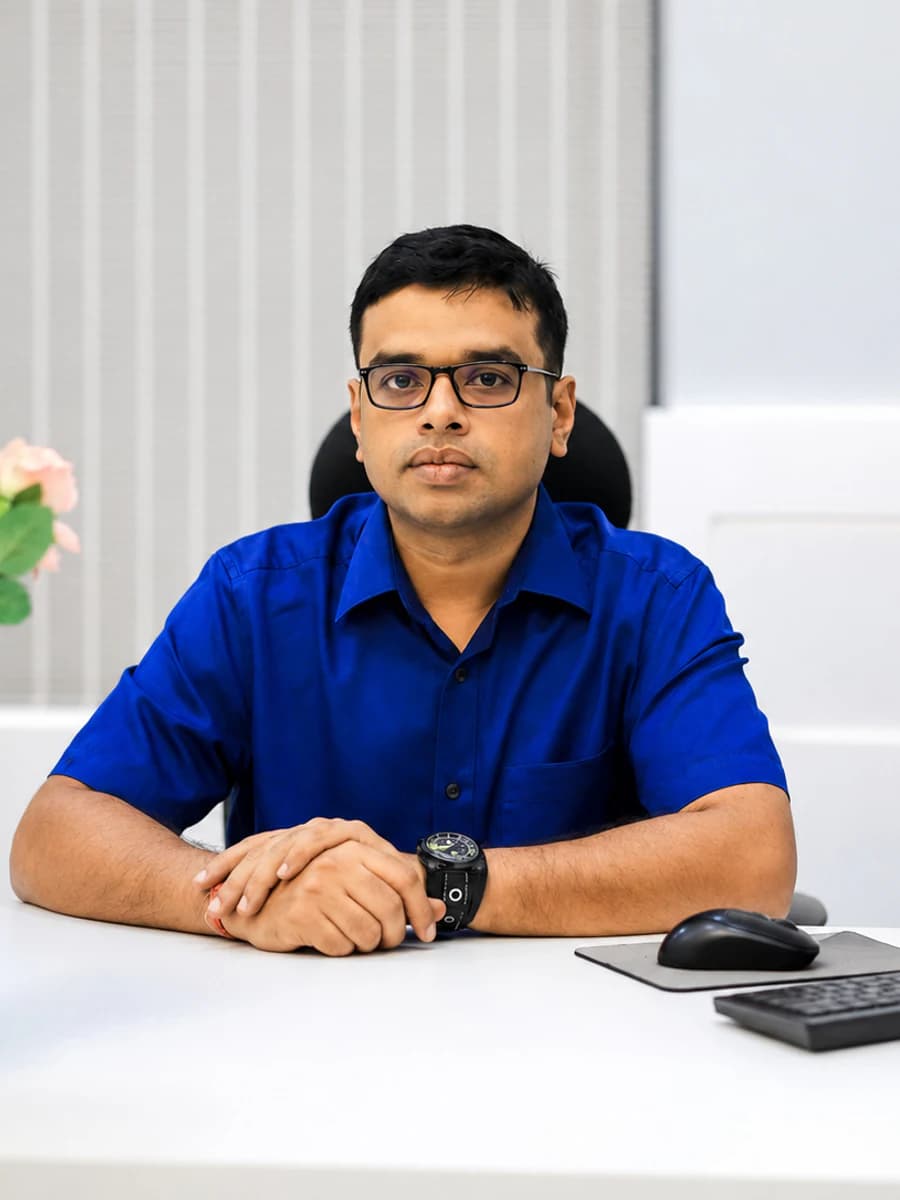
Founder and lead doctor
Dr. Satyarth Prakash
Doctor-led consultations with careful assessment, realistic guidance and treatment planning.
Meet the doctor
More than 30 years of doctor-led hair restoration, skin, laser and aesthetic care with clinical restraint, proportion-aware planning and safety-first care.
Doctor-led care
Aesthetic restraint
Medical diagnosis first
Modern treatment planning
Skin-barrier aware
Evidence-informed care
Recognition
Moments, certificates and recognitions from Radiance Clinics' work in hair, skin and aesthetic care.
Recognition & Trust
Certificates, recognition moments and clinic milestones from Radiance Clinics' work in hair, skin and aesthetic care.
A recognition certificate from Radiance Clinics.
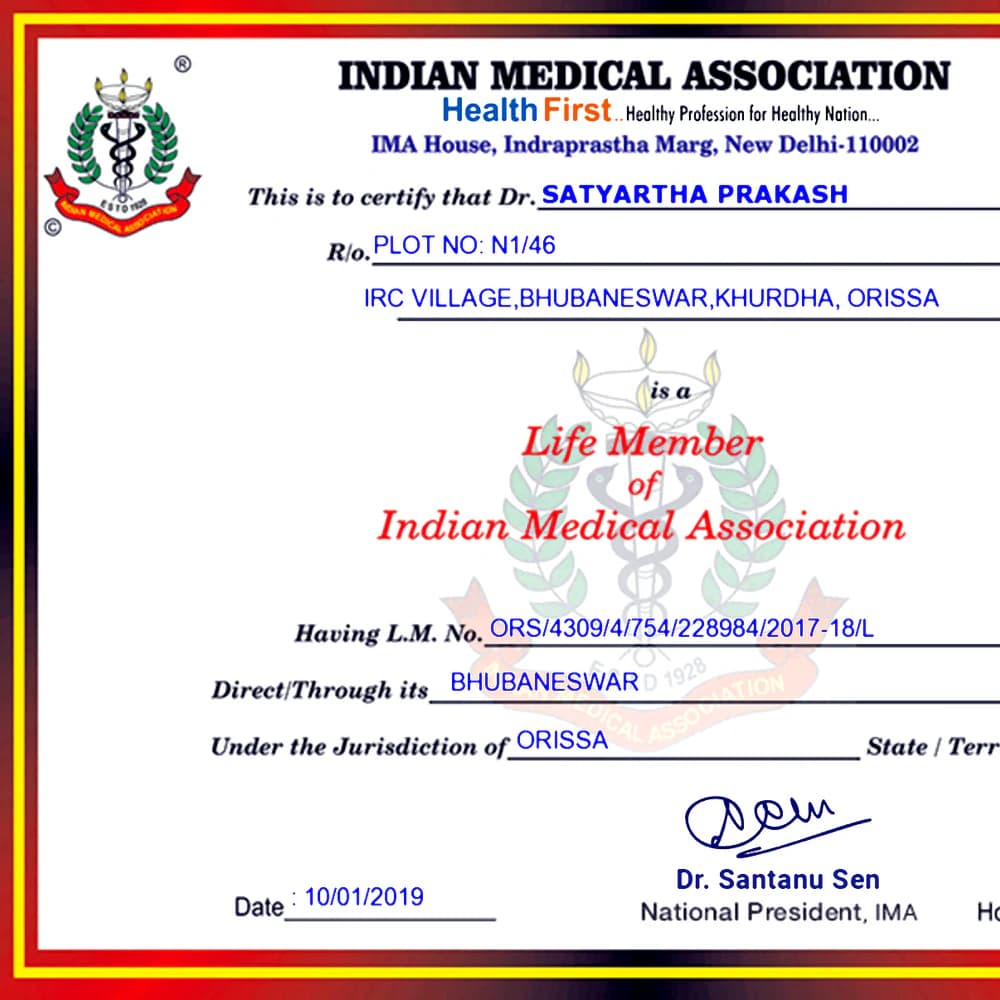
A recognition certificate from Radiance Clinics.
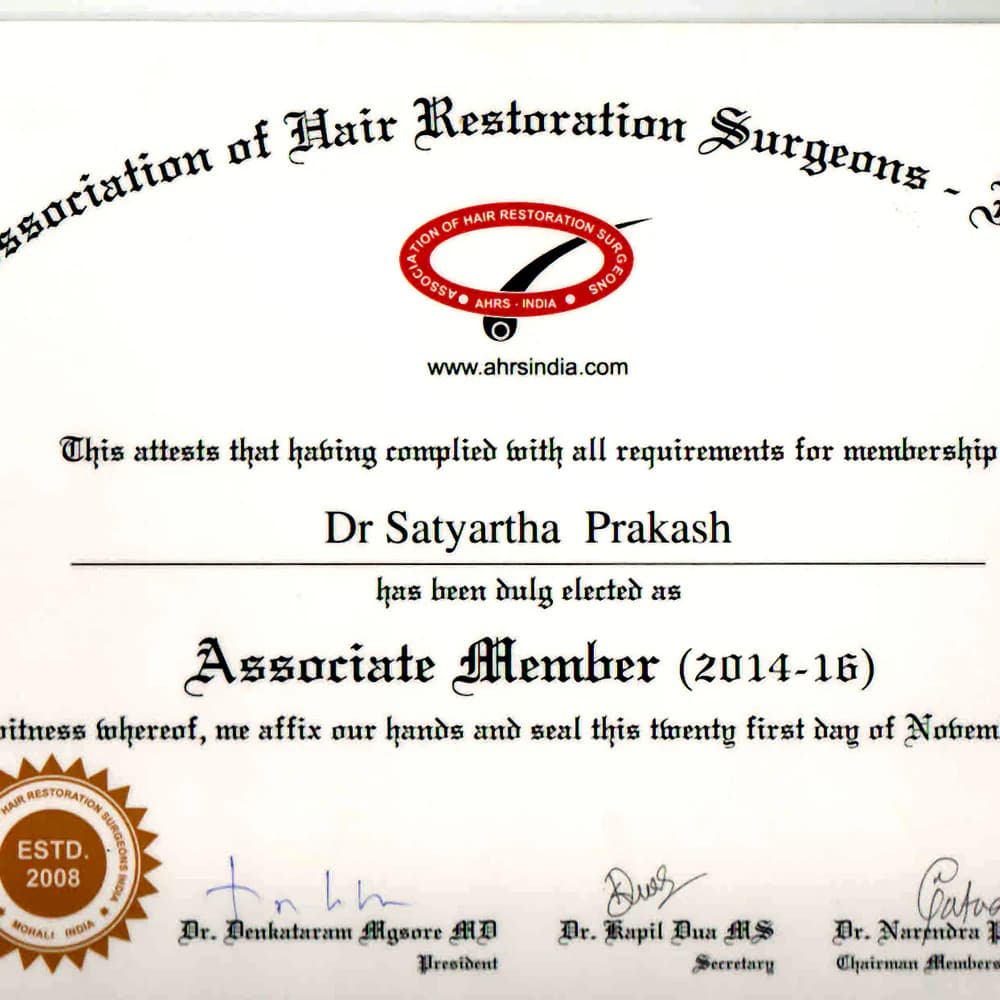
A recognition certificate from Radiance Clinics.
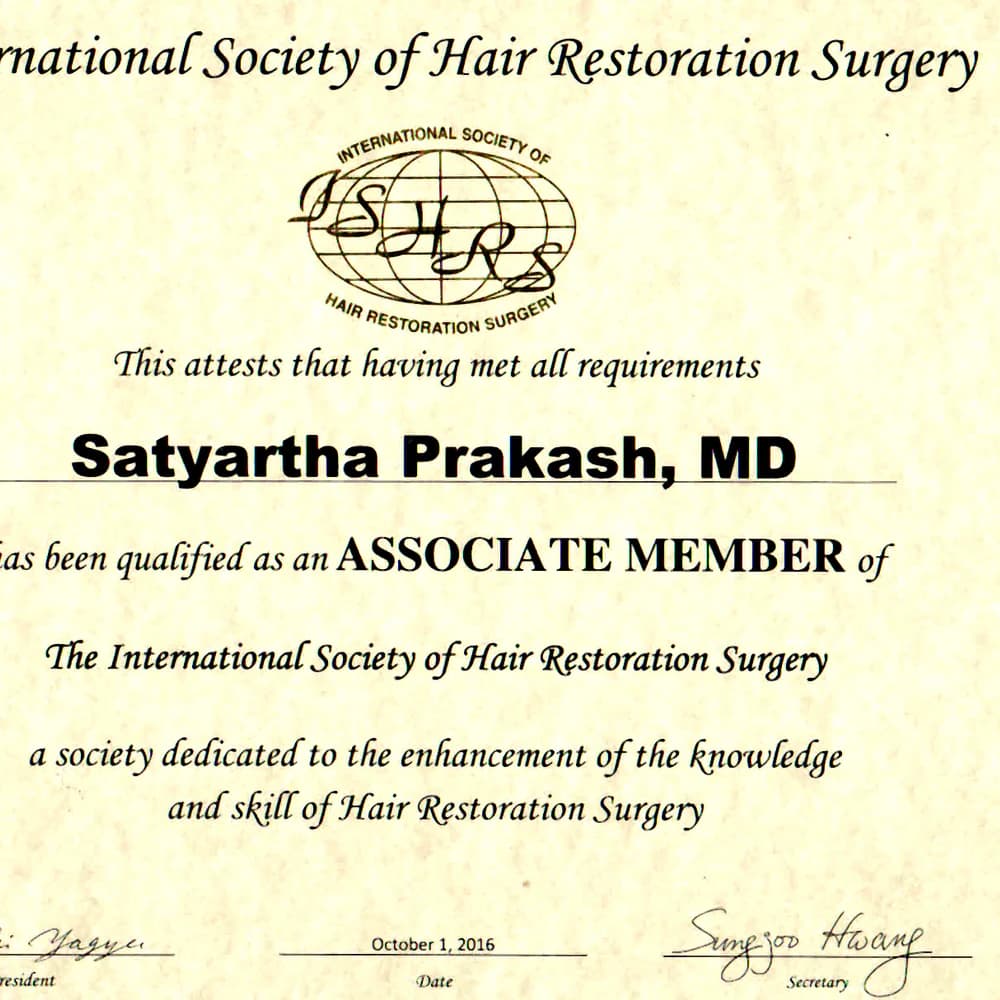
A recognition certificate from Radiance Clinics.
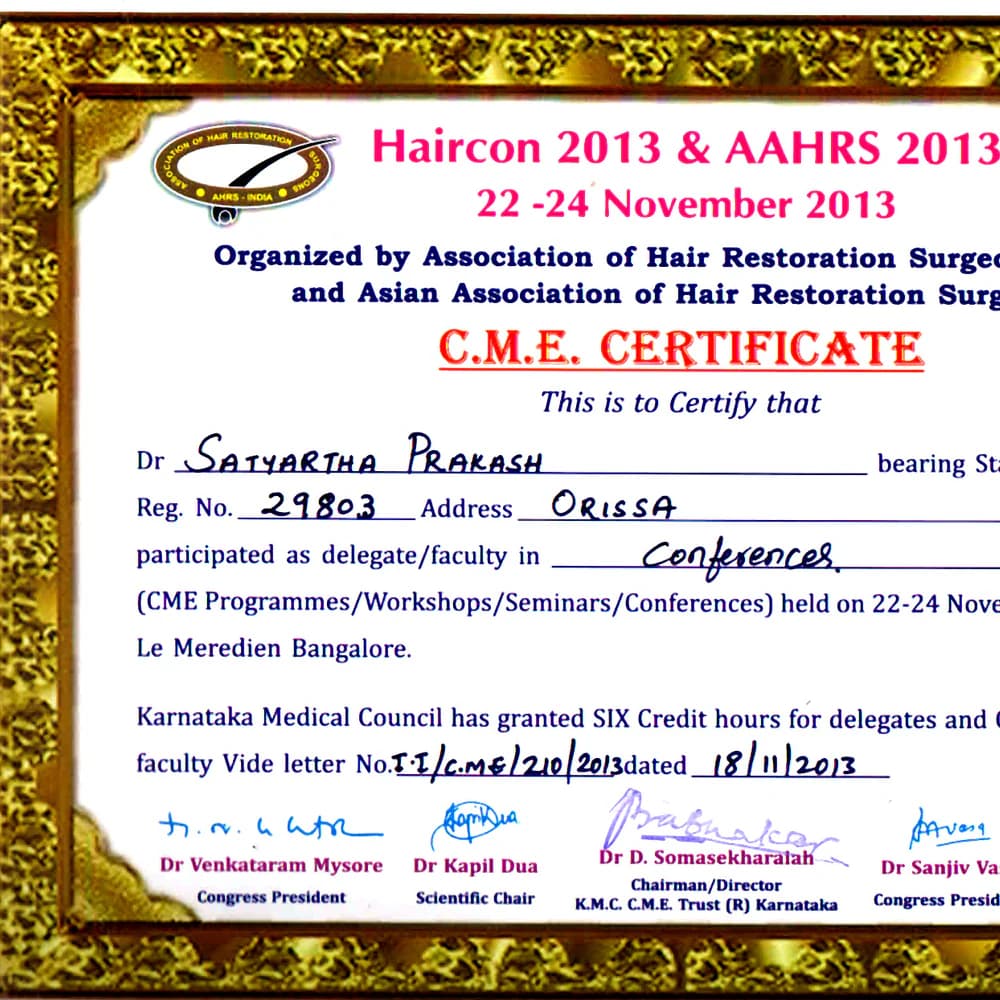
A recognition certificate from Radiance Clinics.
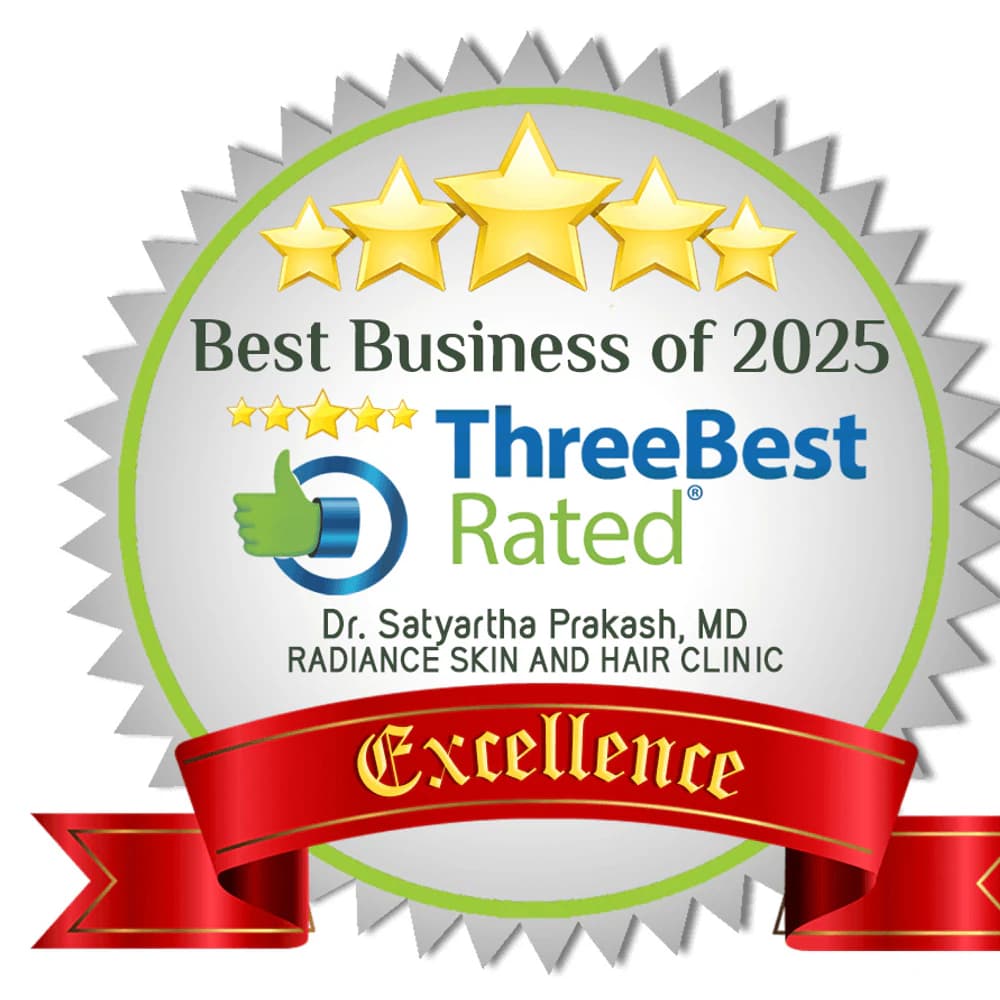
Recognition certificate image
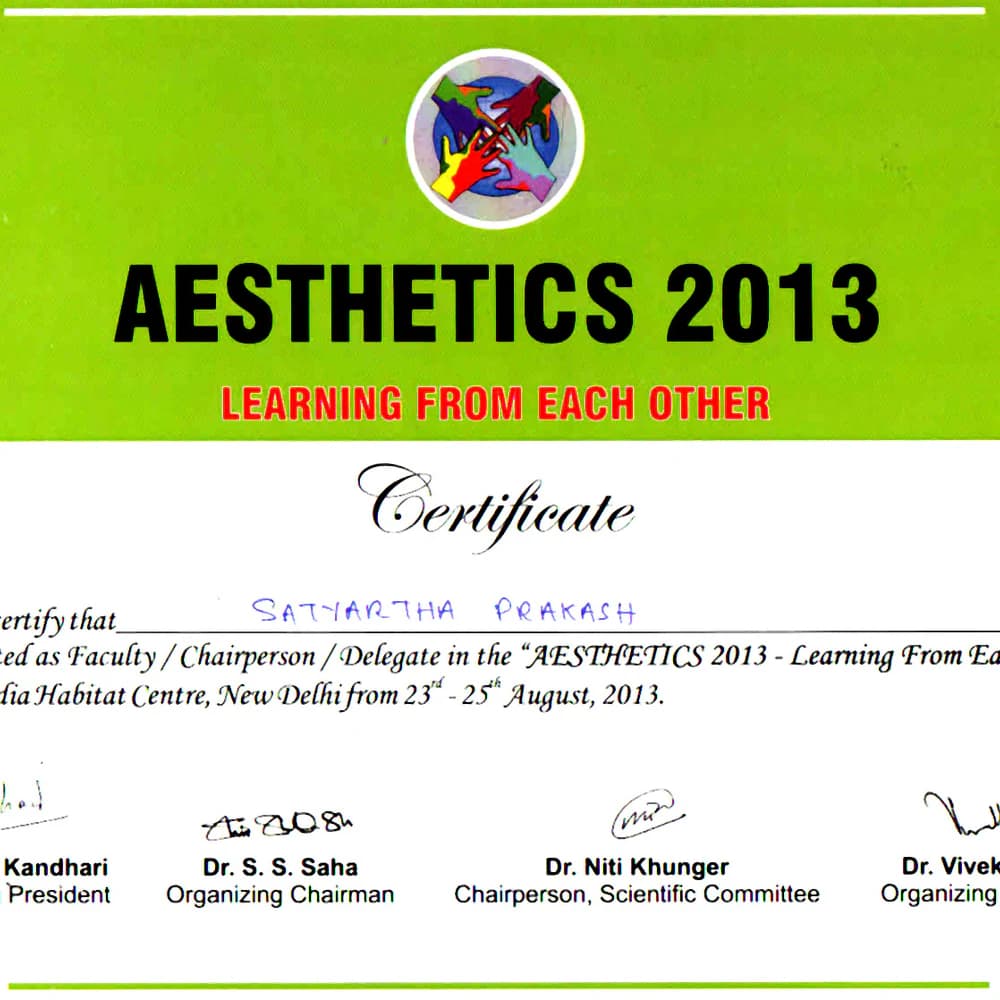
A recognition certificate from Radiance Clinics.
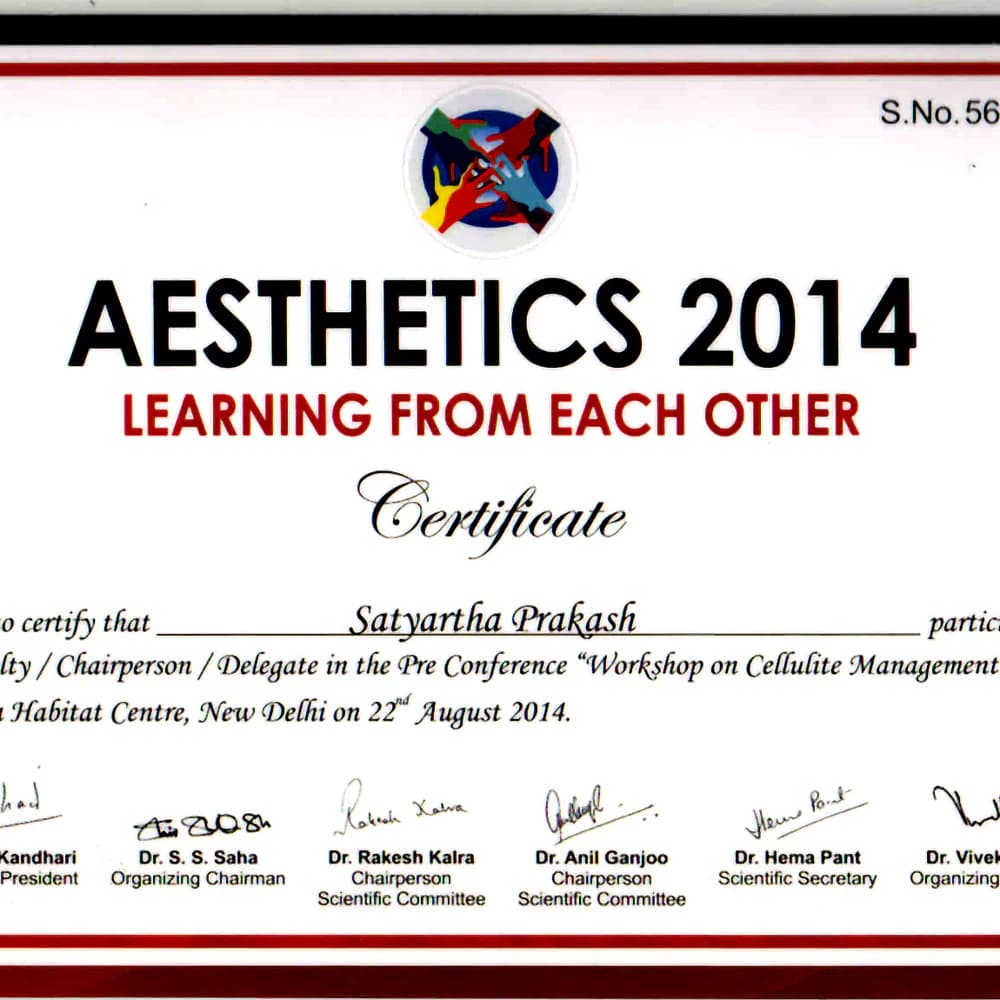
A recognition certificate from Radiance Clinics.
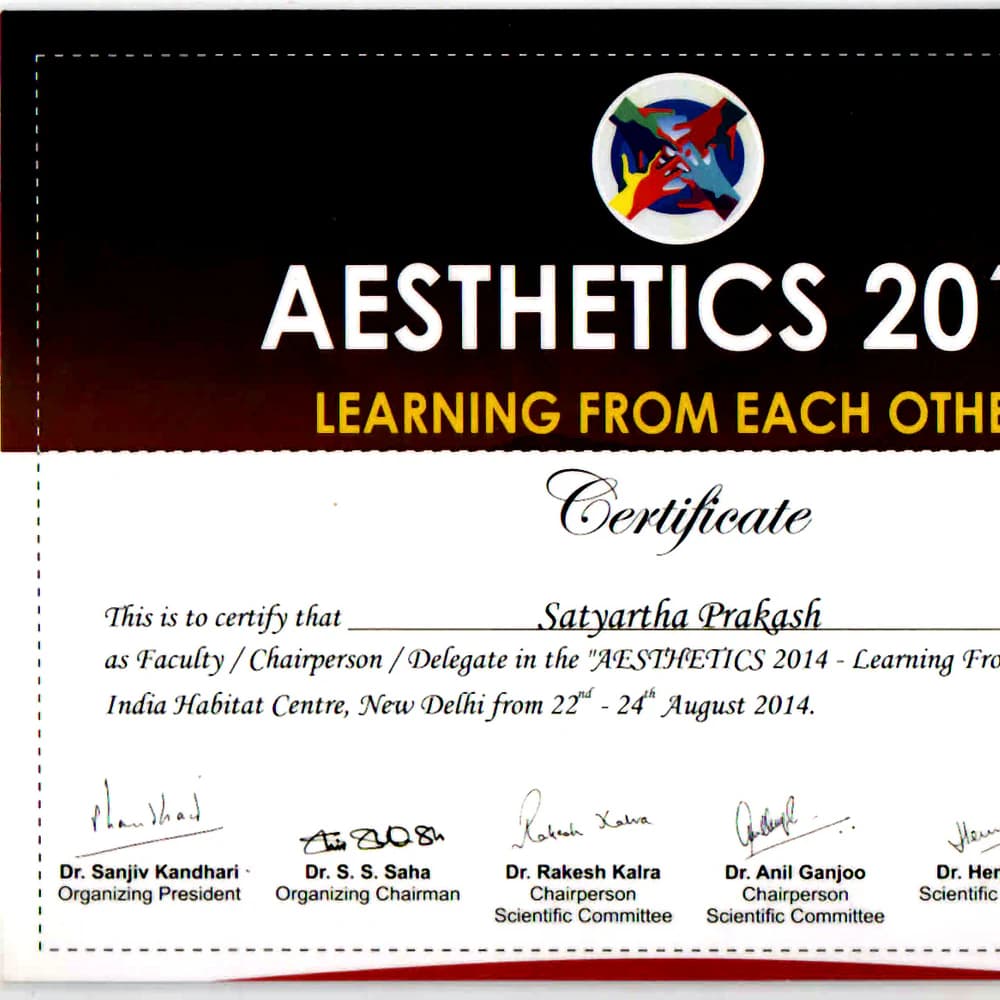
A recognition certificate from Radiance Clinics.
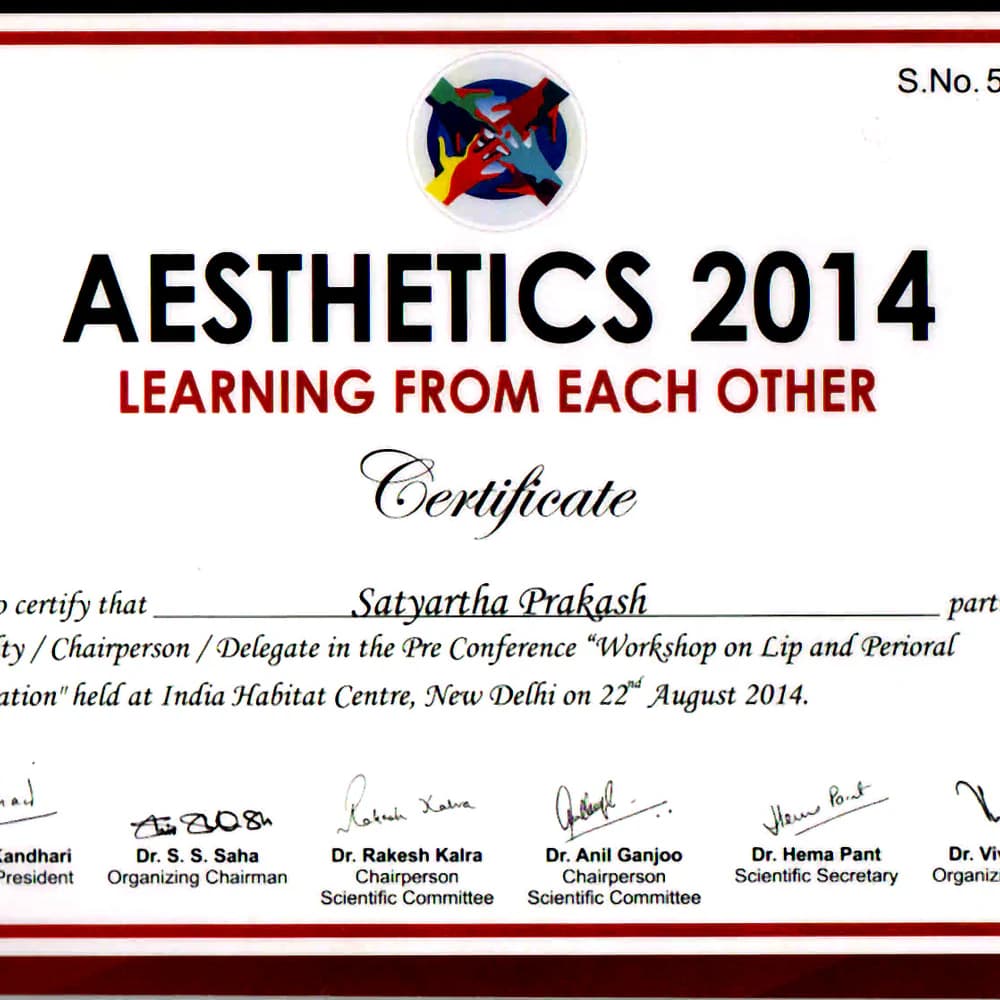
A recognition certificate from Radiance Clinics.
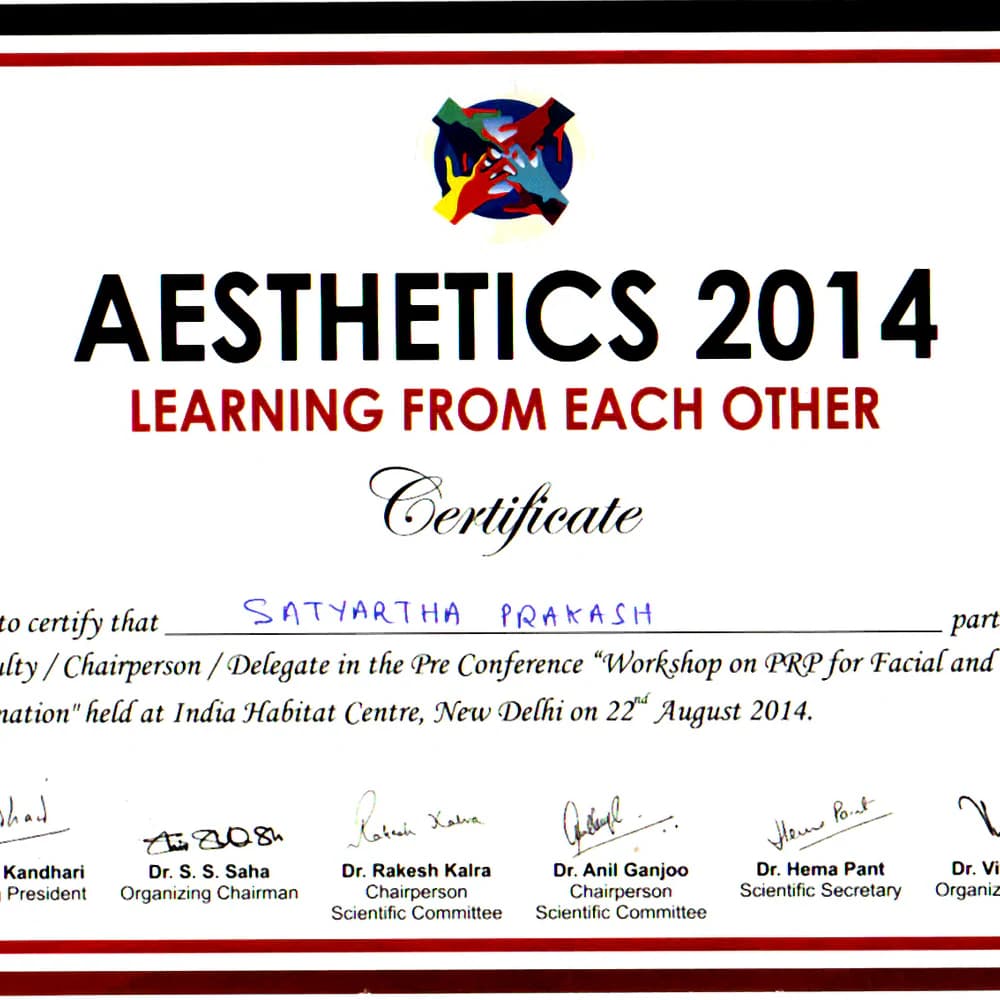
A recognition certificate from Radiance Clinics.
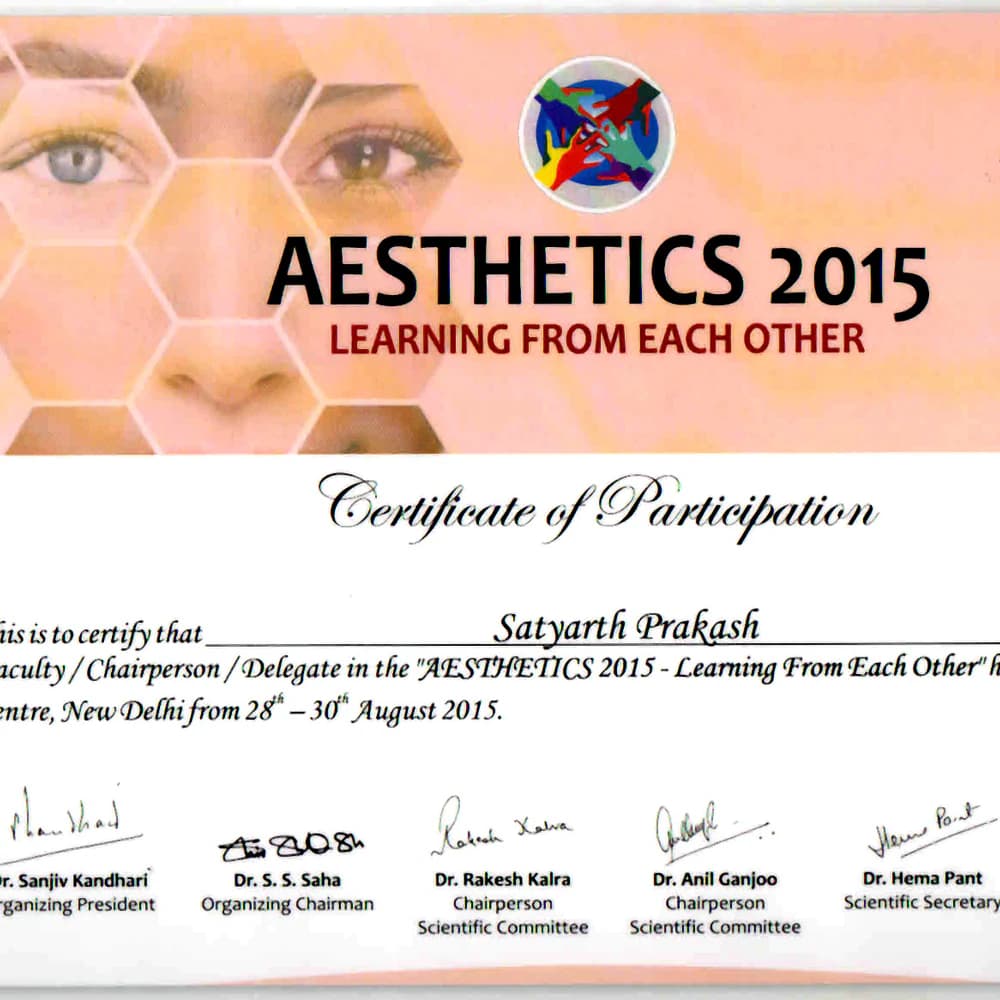
A recognition certificate from Radiance Clinics.
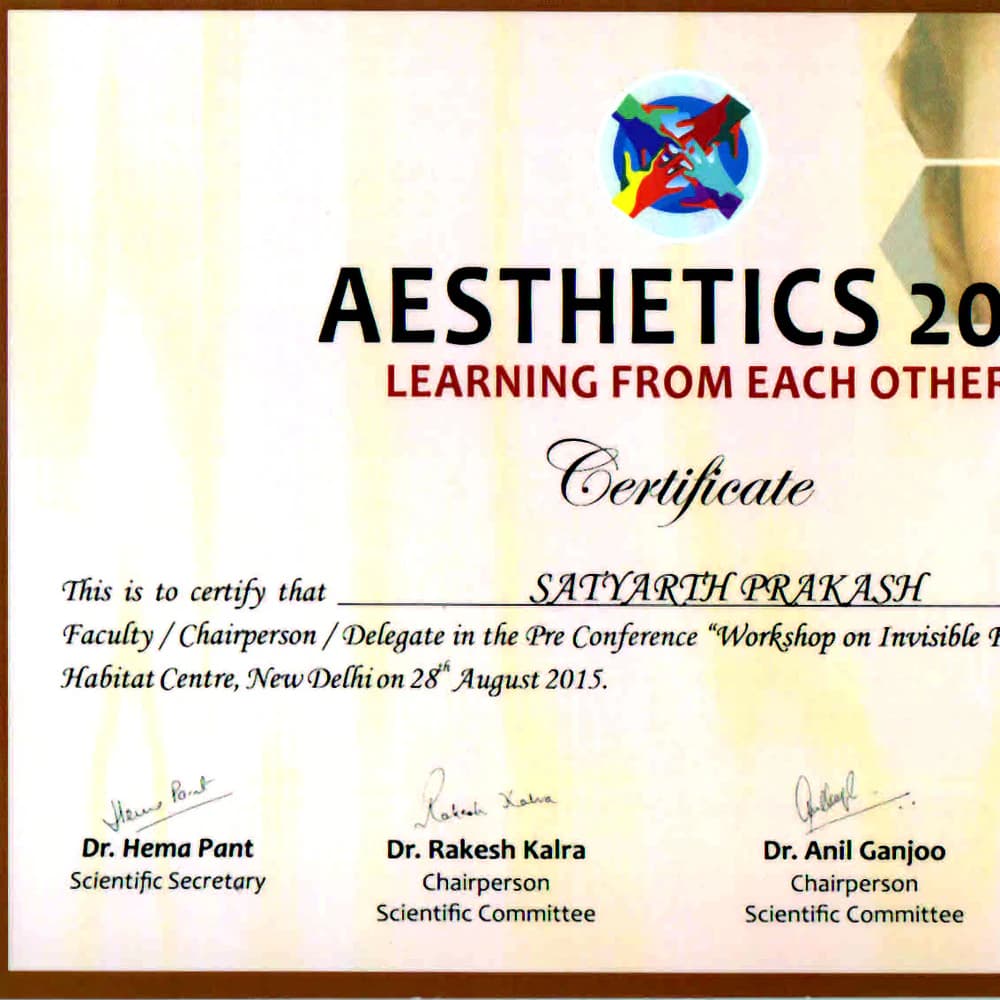
A recognition certificate from Radiance Clinics.
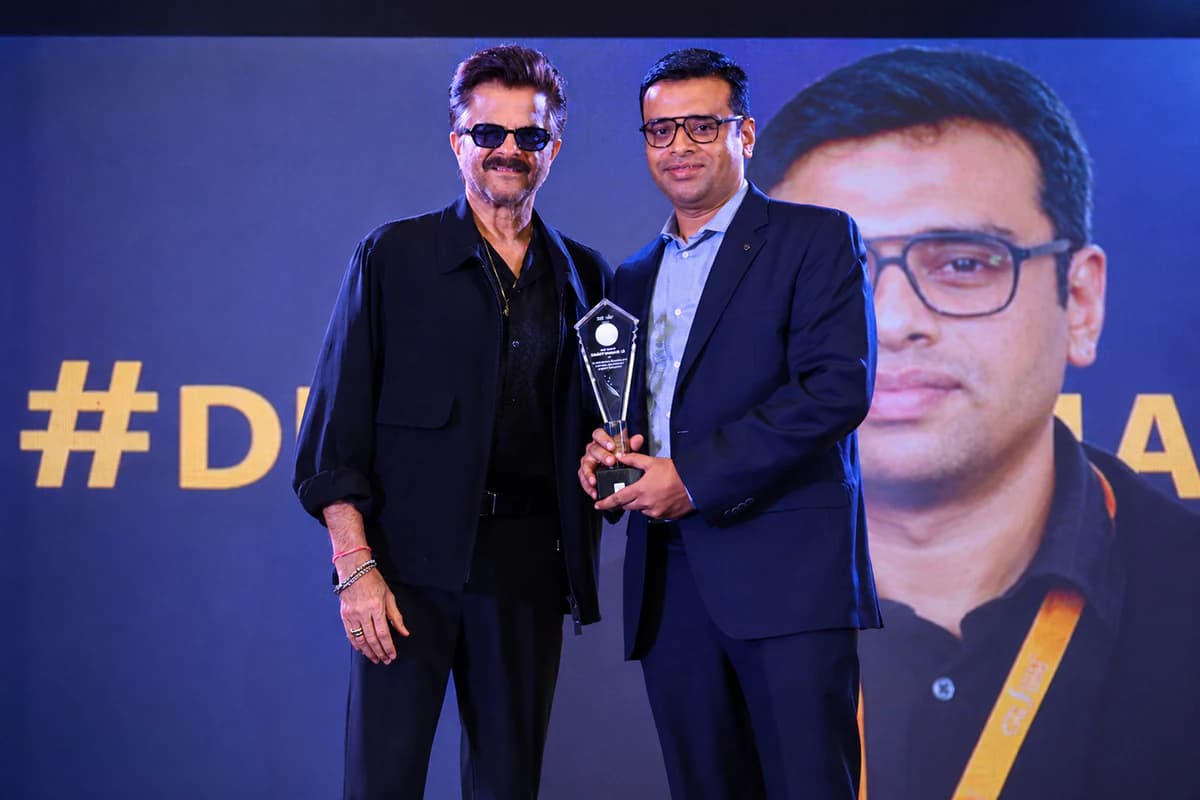
Best Business of 2025 by ThreeBestRated
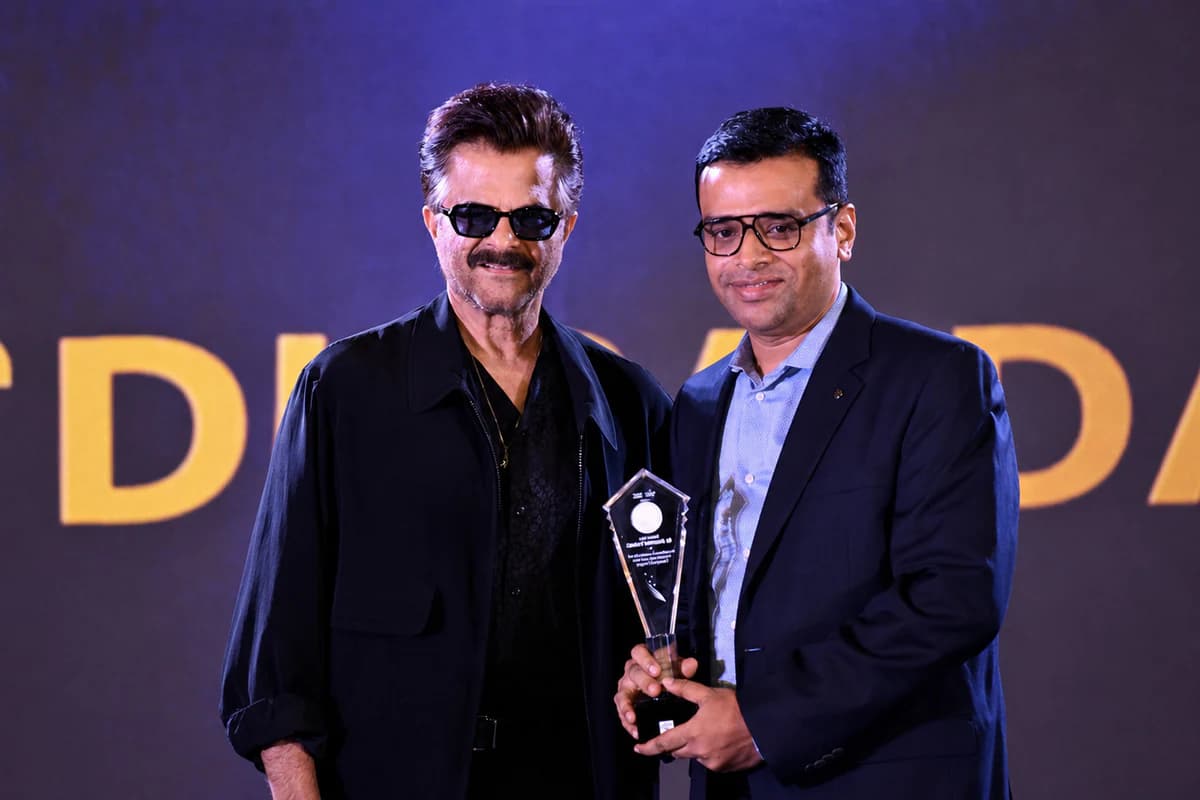
A public event moment from Radiance Clinics' recognition highlights.
Recognition badge asset
Videos, articles & reviews
Preview doctor-led videos, read treatment guidance and visit patient-review channels before booking.
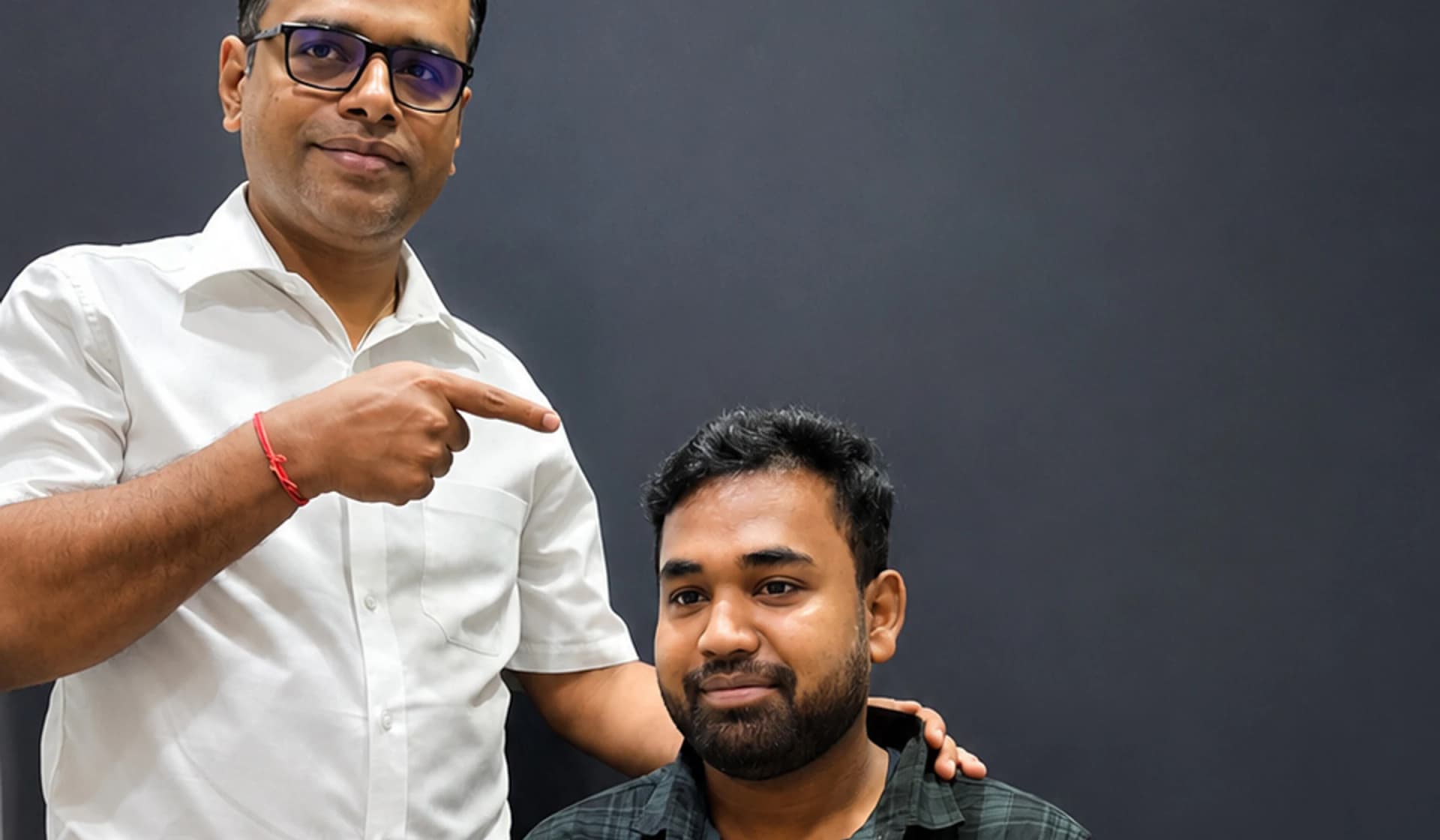
Watch treatment explainers and clinic updates through official Radiance Clinics channels.
View Instagram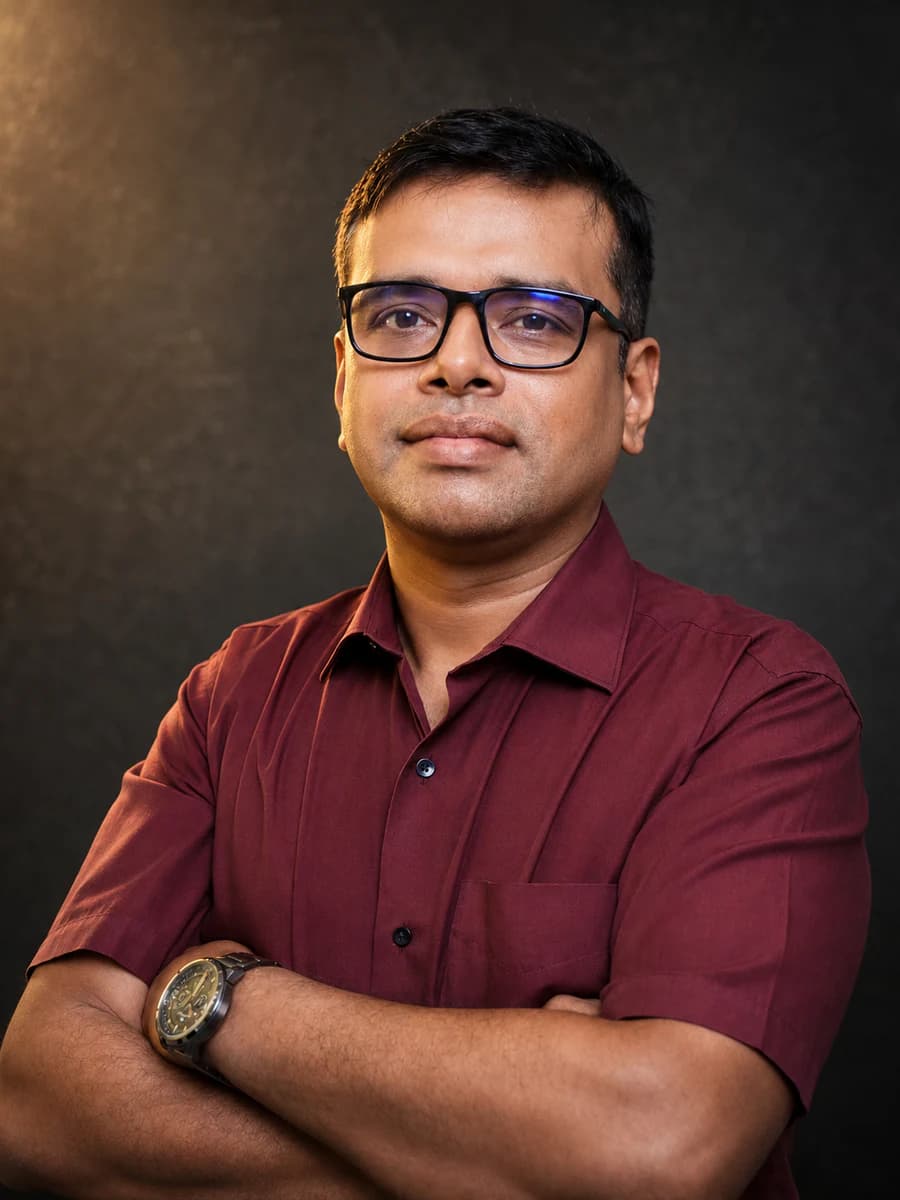
@RadianceClinics
Videos and patient education
Watch YouTube
Official Radiance Clinics profile.
Visit Facebook
Official Radiance Clinics profile.
View LinkedIn
Our Videos
Doctor-reviewed articles
Hair Restoration
A practical guide to diagnosis, donor planning and realistic expectations before hair restoration.
Read articleSkin & Laser
Why skin typing, settings, preparation and aftercare matter in laser-based aesthetic medicine.
Read articleAesthetic Care
Premium care is less about excess and more about listening, restraint and precise planning.
Read articleWhy choose Radiance
Doctor-led consultations, advanced equipment, privacy, clear aftercare and realistic guidance for hair, skin, laser and aesthetic concerns.
Technology is positioned as a tool inside diagnosis-led planning, not as a one-size-fits-all promise.
Skin type, scalp pattern, goals, timing and downtime are discussed before building a plan.
The experience is designed around clarity, consent, aftercare and realistic expectations.
Where medically suitable, the clinic can guide efficient consultation-to-procedure planning.
Care process
From first callback to consultation, assessment, treatment planning and review, the experience is designed to feel clear and reassuring.
Consultation, mapping, procedure planning and maintenance are handled as a careful care process, not a rushed package sale.
Your goals, medical history, skin or scalp condition and timing are reviewed before treatment planning.
Clinical imaging, facial proportion, skin type or donor-zone evaluation guides the plan.
A phased plan is explained with preparation, downtime, review dates and maintenance.
Progress is reviewed honestly so the plan can be adjusted with restraint and care.
Clinic Gallery
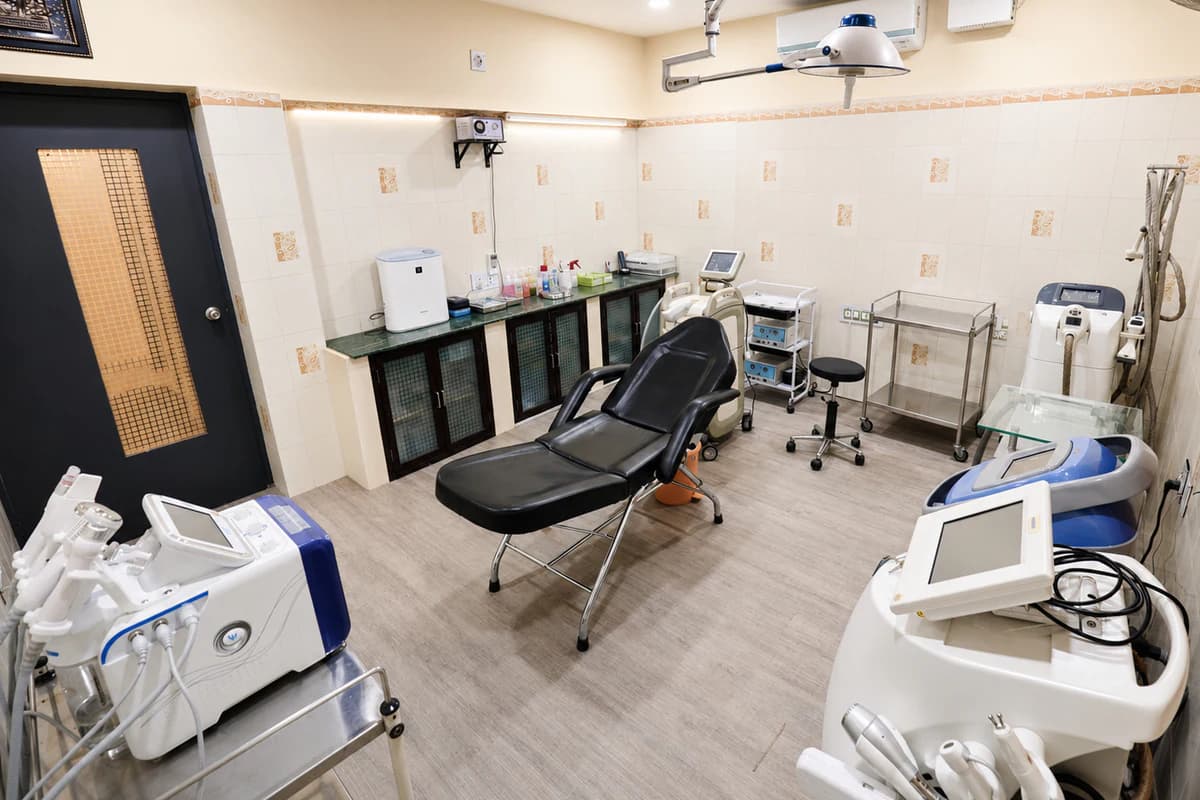
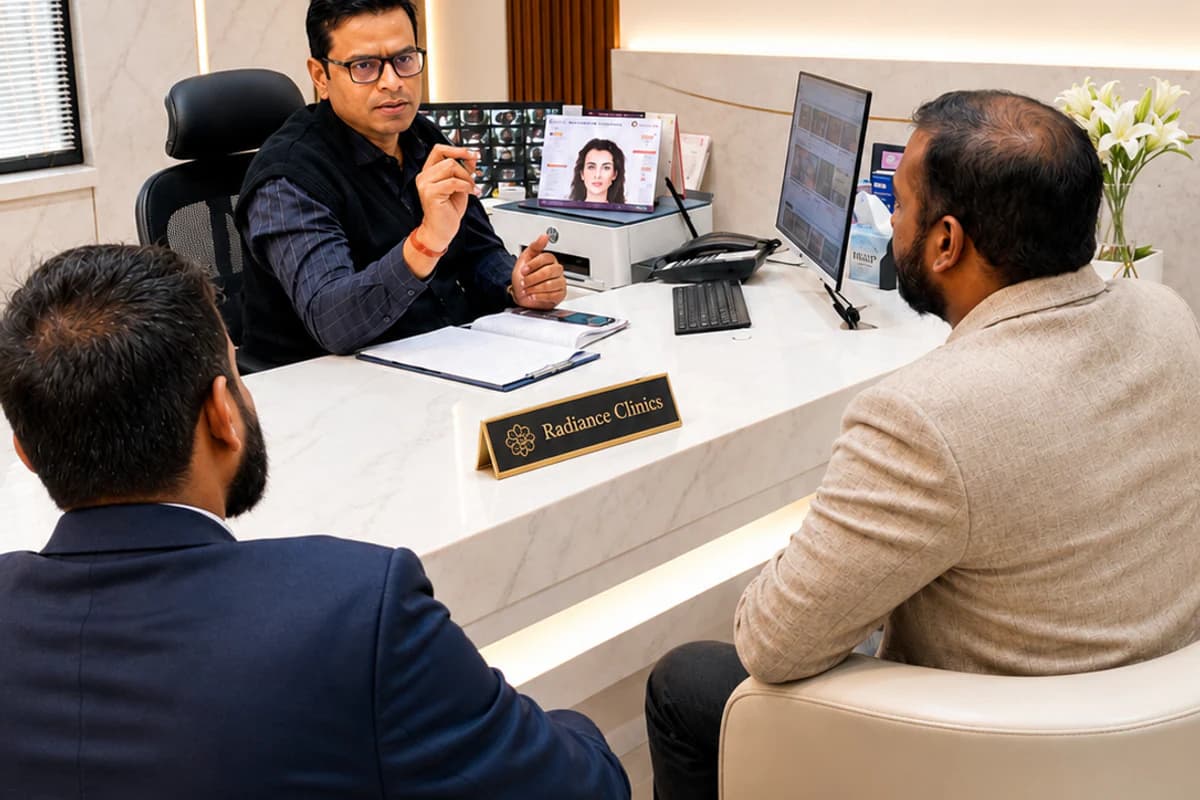
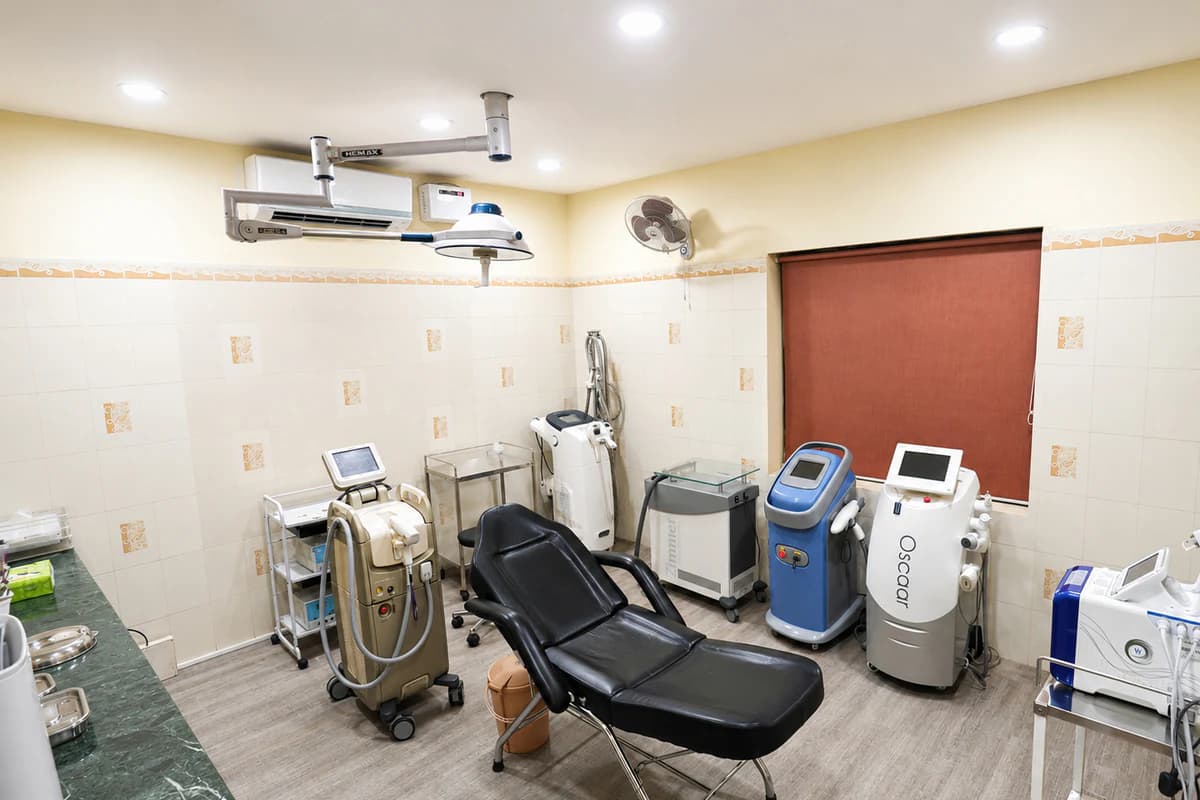
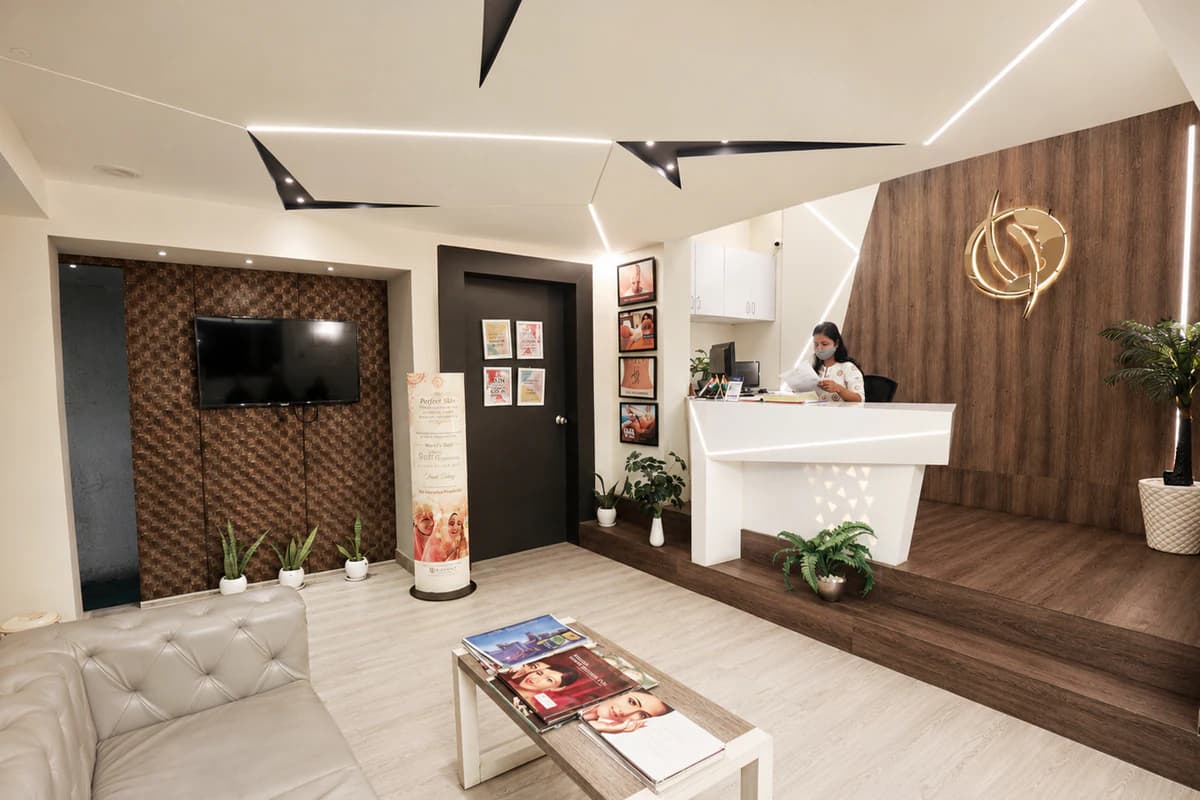
A closer look at the clinic environment, doctor-led consultations, recognition moments and patient care spaces.
Questions
A few answers before your first visit.
Yes. Radiance Clinics prioritizes doctor-led assessment before recommending hair, skin, laser or injectable treatments.
Appropriate case documentation can be discussed during consultation with consent and context. The website avoids unsupported result claims.
Yes. Plans are selected after reviewing concerns, medical history, skin or scalp type, expectations, downtime and maintenance.
Radiance Clinics
Call, WhatsApp, request a consultation, or chat now for general service and booking guidance.