
Skin & Laser - 7 min read
Laser Hair Reduction: Sessions, Safety and Realistic Expectations
What laser hair reduction can and cannot do, why sessions are spaced and what a skin-type-aware consultation should cover.
- Published
- Updated
Skin & Laser - 7 min read
What laser hair reduction can and cannot do, why sessions are spaced and what a skin-type-aware consultation should cover.
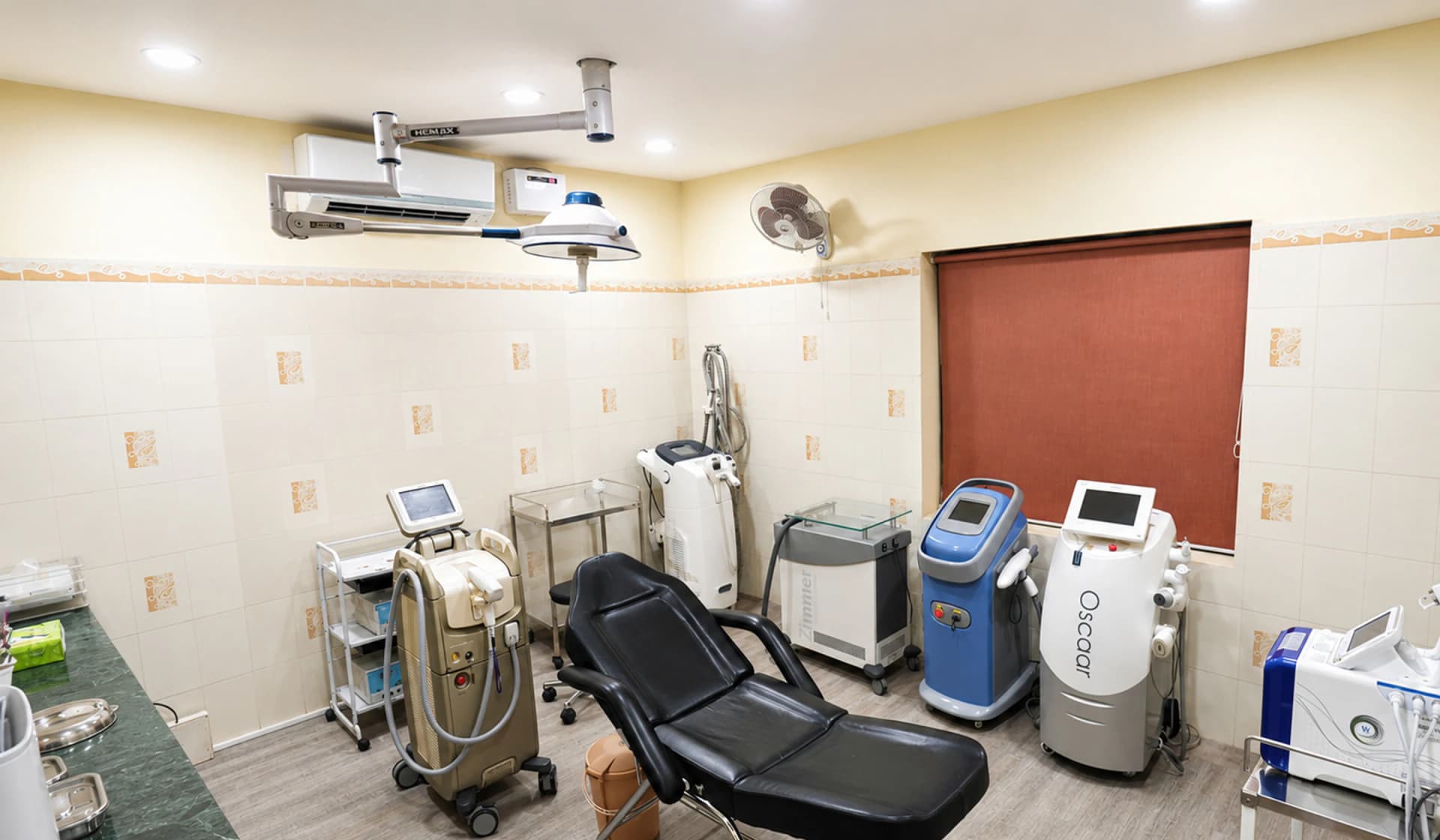
Laser hair reduction aims to reduce the amount, thickness and rate of regrowth of suitable hair. It should not be presented as guaranteed permanent removal of every hair. Response varies with hair colour and thickness, skin type, body area, hormonal influences, device choice and whether the hair is in a responsive growth phase at the time of treatment.
Multiple sessions are commonly discussed because all follicles are not active together. Session spacing depends on the body area and observed regrowth rather than a universal calendar. Maintenance may be appropriate for some patients, particularly when an underlying hormonal driver continues to influence new growth.
A safety-focused consultation checks skin type, recent tanning or sun exposure, current irritation, previous reactions, medicines and products that may change sensitivity. The clinician should also examine whether the target hair is coarse and pigmented enough to respond; very fine, light or grey hair may respond poorly to commonly used laser wavelengths.
Device parameters should be adjusted to the patient and the area. More energy is not automatically better. A patch test or conservative starting point may be considered when skin response is uncertain, and cooling, eye protection and careful technique are basic parts of a controlled session.
Temporary redness or follicle-centred swelling can occur. Pigment change, burns, blistering or paradoxical hair stimulation are among the risks that should be discussed, particularly when settings, skin preparation or sun exposure are unsuitable. Report an unexpected reaction rather than applying aggressive home remedies.
Preparation and aftercare instructions vary, but they should cover how to manage visible hair between sessions, which products to pause if advised, sun protection and when to contact the clinic. Waxing or plucking can interfere with the hair target, so ask what grooming method the clinic recommends during a course.
The most useful outcome measure is not a promise of zero hair. Compare regrowth density, hair thickness, grooming frequency and skin comfort over time using consistent photographs and follow-up. A review should also consider whether a medical evaluation is appropriate when hair growth changes suddenly or is accompanied by other symptoms.
This article is educational and does not replace consultation. A treatment plan should be selected after doctor-led assessment.
Book consultationFrom the official Radiance channel
Making Laser Hair Removal Smooth Process For Men And Women With Advanced Aft And Diode Before the introduction of the advanced hair removal therapy in Bhubaneswar by Radiance Hair Clinics, most patients would have to go through torturous process of removal of unwanted hair from different parts of the body. There are processes like the waxing, creams for self removal, painful electrolysis methods and razor removal. Wh
Just like you for many men and women, unwanted hair is a nightmare. Until now the only options for removing unwanted hair were smelly hair removal creams, sharp razors, stinging wax or painful electrolysis needles. But we at Radiance Skin & Hair Clinic provide advanced approach to beautiful skin through LASER hair removal - the ultimate solution. Our Diode LASER gently removes unwanted hair, putting an end to routine