

Assessment for hair loss in women
Female Hair Loss Treatment in Bhubaneswar
Assessment for widening part, diffuse thinning and persistent shedding, with treatment selected only after the pattern and relevant medical context are reviewed.
Consultation first
A widening part, diffuse thinning and sudden shedding are not the same problem.
Women may notice reduced ponytail volume, a wider central part, more visible scalp or increased shedding. Pattern, timing and associated symptoms help distinguish progressive thinning from temporary shedding and other scalp conditions.
Recent illness, childbirth, nutritional change, medicines and hormonal or medical context may be relevant, but no single trigger should be assumed. The doctor decides whether examination alone is sufficient or whether focused investigation is appropriate.
Clinical assessment
What is reviewed during a female hair-loss consultation
The consultation connects the visible pattern with timing, symptoms and health context before a treatment pathway is selected.
- Part width, frontal density and diffuse scalp visibility
- Onset, shedding pattern and recent triggers
- Scalp scale, irritation, pain or breakage
- Menstrual, postpartum and relevant medical history
- Medicines, nutrition changes and previous treatment
- Donor stability when transplantation is being considered
Doctor-led approach
Treatment follows the cause and the pattern
The plan may involve treating a scalp concern, correcting an identified contributor, medical care, regenerative support or monitoring. Hair transplant is considered only for selected women with a suitable stable pattern and donor area.
Separate shedding from patterned thinning
Investigate selectively rather than routinely
Set realistic regrowth and preservation goals
Review progress with consistent observations
Find the right starting point
What are you noticing?
Choose the closest concern to reach the relevant information. This is not a diagnosis; the doctor confirms the appropriate next step during consultation.
Evidence from Radiance
Real clinic evidence to support an informed decision.
Review consent-confirmed examples, doctor education and independent coverage in context. Images and reviews reflect individual experiences and do not guarantee another patient's result.
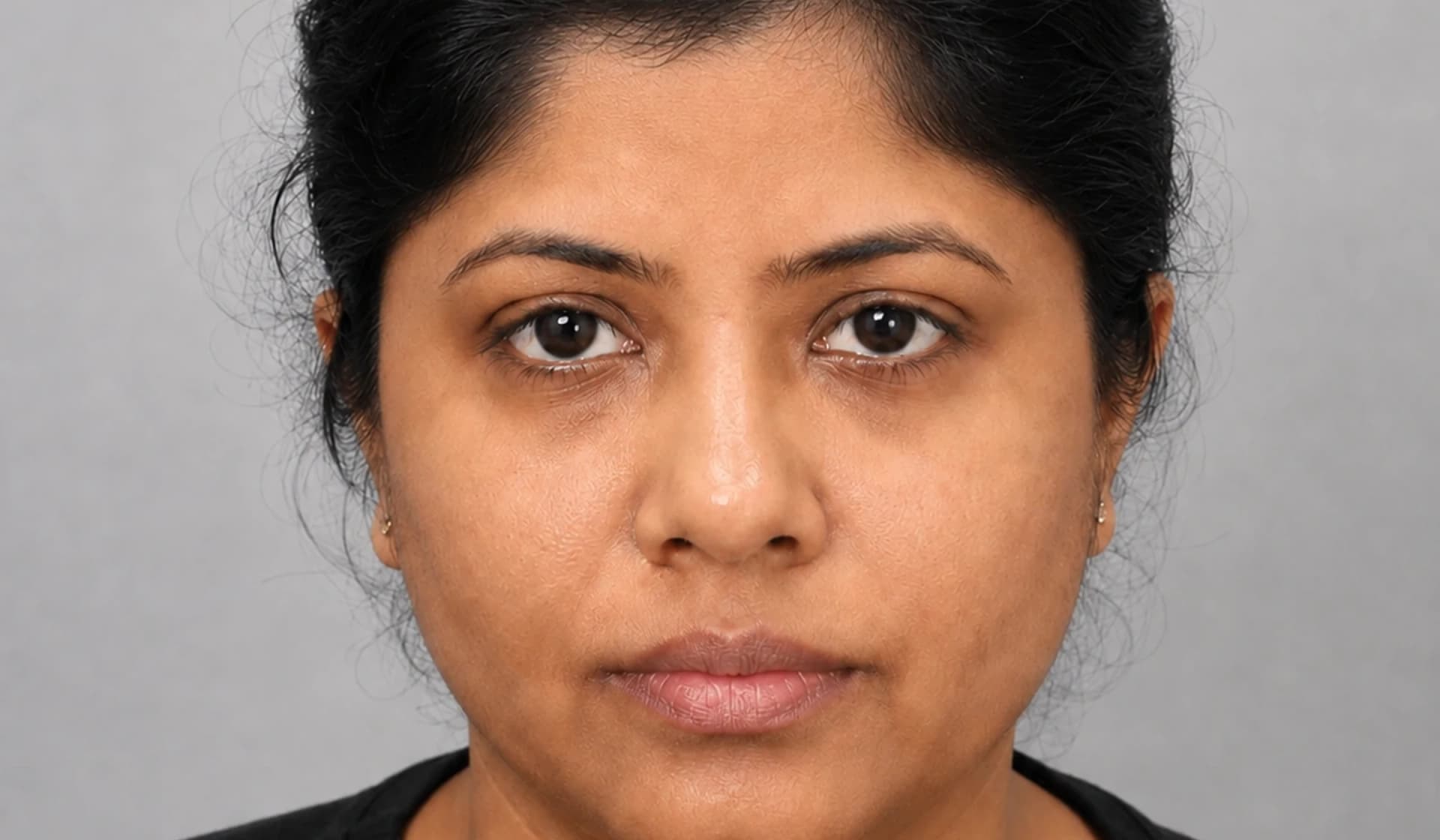
Consent-confirmed result example
Female Pattern Hair Loss
View the comparison and individual-results context.
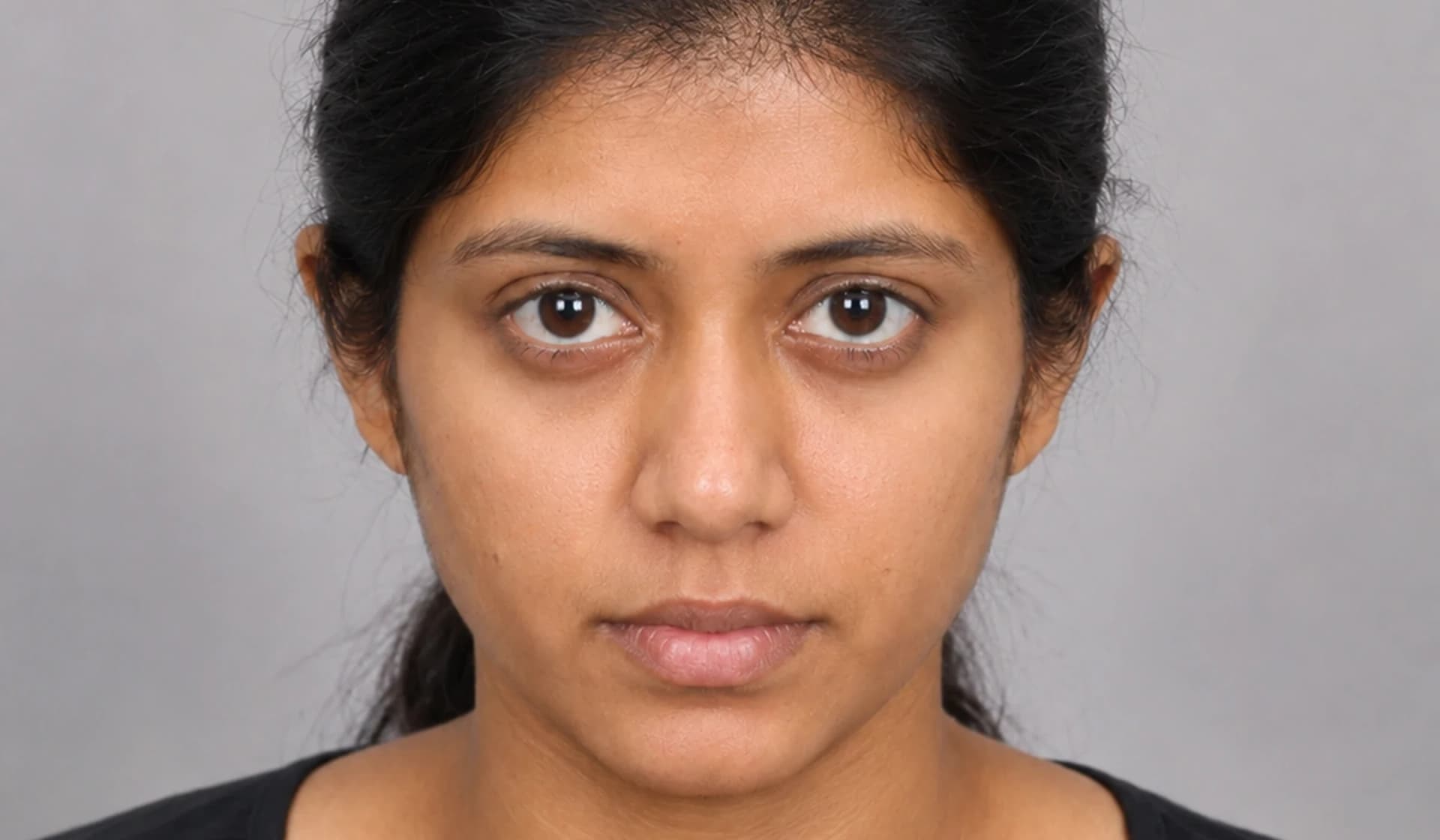
Consent-confirmed result example
Female Widening Part
View the comparison and individual-results context.

Watch the doctor explain
Female Hair Loss Causes: Doctor Video
Dr. Satyarth Prakash discusses female hair-loss concerns and why pattern, shedding history, medical context and scalp assessment guide the next step.
Hair loss causes and assessment guide
Medically reviewed patient education from Radiance Clinics.
Dr. Satyarth Prakash
20+ of doctor-led clinical experience.
“I had hair thinning issue which I consulted at radiance 5 month ago now I have excellent results and really happy with the service here”
Sudipta Kumar Jena · Google review
Postpartum and trigger-related shedding questions
Increased shedding can occur after childbirth or another physiological stress, but the timing, severity and recovery pattern vary. Persistent loss, visible patterned thinning or scalp symptoms should not be dismissed as a temporary phase without assessment.
Tests are not identical for every patient. The doctor uses the history and examination to decide whether specific investigations or another medical review may be useful.
Medical, regenerative and transplant options
Treatment choice depends on diagnosis, pregnancy or breastfeeding status where relevant, medical history and the follicles that remain. Medicines and procedures require individual discussion of suitability, limitations and maintenance.
A transplant is not appropriate for every woman with diffuse thinning. Donor miniaturisation, unstable loss and the size of the area can limit surgery. Selected frontal patterns may be considered only after careful donor and long-term assessment.
What to expect
A clear path from assessment to follow-up.
- STEP 01
Detailed history
Timing, shedding, density change, scalp symptoms and relevant health events are reviewed together.
- STEP 02
Focused assessment
The doctor identifies the likely pattern and discusses whether tests or another opinion are appropriate.
- STEP 03
Individual follow-up
Progress is reviewed over a clinically useful interval because hair changes are gradual and variable.
Related care
Continue your research.
Hair loss and scalp assessment
Review the broad diagnosis-led consultation pathway.
Female pattern hair loss
Understand widening-part and diffuse-thinning patterns.
Doctor video: female hair loss causes
Watch Dr. Satyarth Prakash discuss assessment questions for women.
When a widening part needs assessment
Read the focused doctor answer before consultation.
Treatment category overview
Compare relevant treatment pathways and concerns.
Related patient guide
Read practical guidance before choosing a treatment.
Related patient guide
Read practical guidance before choosing a treatment.
Related patient guide
Read practical guidance before choosing a treatment.
Related patient guide
Read practical guidance before choosing a treatment.
Related patient guide
Read practical guidance before choosing a treatment.
Related patient guide
Read practical guidance before choosing a treatment.
Related patient guide
Read practical guidance before choosing a treatment.
Related patient guide
Read practical guidance before choosing a treatment.
Relevant treatment results
Review consent-confirmed comparisons and realistic context.
Visiting from elsewhere in Odisha
Plan a visit to the verified Nayapalli, Bhubaneswar clinic.
Questions patients ask
Female Hair Loss Treatment FAQs
It can reflect patterned thinning, but lighting, styling, breakage and other causes can alter appearance. Progression and scalp findings help clarify the concern.
No. Hormonal context may be relevant in some cases, but shedding, genetics, illness, medicines, nutrition and scalp conditions can also matter.
No. Suitability and expected benefit depend on the diagnosis, stage and remaining follicles. These procedures do not replace investigation of an active medical or scarring cause.
Selected women may be candidates when the loss pattern and donor area are suitable. Diffuse donor thinning or unstable loss can limit surgery.
Discuss suitability with the doctor before choosing treatment.
Results, recovery and the number of sessions vary. A consultation is required to assess the concern and recommend an appropriate plan.