
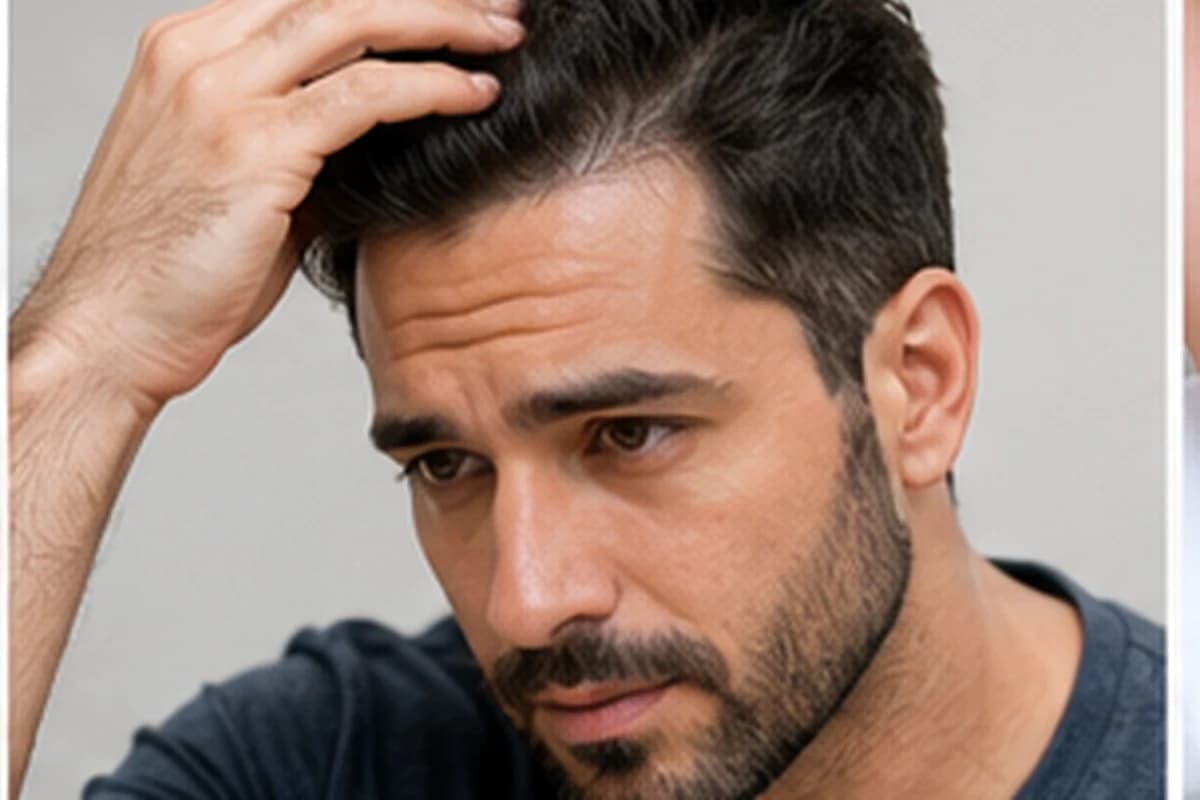
Conservative frontal hairline planning
Hairline Correction in Bhubaneswar
Assessment for a receding or uneven hairline, with design based on age, facial proportion, future loss and the available donor reserve.
Consultation first
A natural hairline is not simply the lowest line that can be drawn.
Temple recession and frontal thinning can change facial framing, but a mature hairline is not identical to active pattern loss. The rate and distribution of change should be reviewed before treatment is chosen.
When transplantation is suitable, the design considers age, facial proportions, existing forelock, temple shape, donor limits and the possibility of future recession behind the new line.
Clinical assessment
What the hairline consultation evaluates
The assessment distinguishes the concern, measures available donor support and tests whether a proposed design remains credible over time.
- Mature hairline versus progressive recession
- Temple depth, frontal density and asymmetry
- Facial proportions and existing hair direction
- Age, family pattern and future loss risk
- Donor density, calibre and safe availability
- Previous procedures, scars or hairline placement
Doctor-led approach
Design for proportion, direction and the future
A conservative design uses irregularity and direction appropriate to the individual rather than a rigid line. Donor hair is distributed with the wider scalp plan in mind.
Confirm whether loss is active
Plan height around facial proportion
Match angles and temple direction
Protect donor supply for later needs
Find the right starting point
What are you noticing?
Choose the closest concern to reach the relevant information. This is not a diagnosis; the doctor confirms the appropriate next step during consultation.
Evidence from Radiance
Real clinic evidence to support an informed decision.
Review consent-confirmed examples, doctor education and independent coverage in context. Images and reviews reflect individual experiences and do not guarantee another patient's result.

Consent-confirmed result example
Receding Hairline
View the comparison and individual-results context.
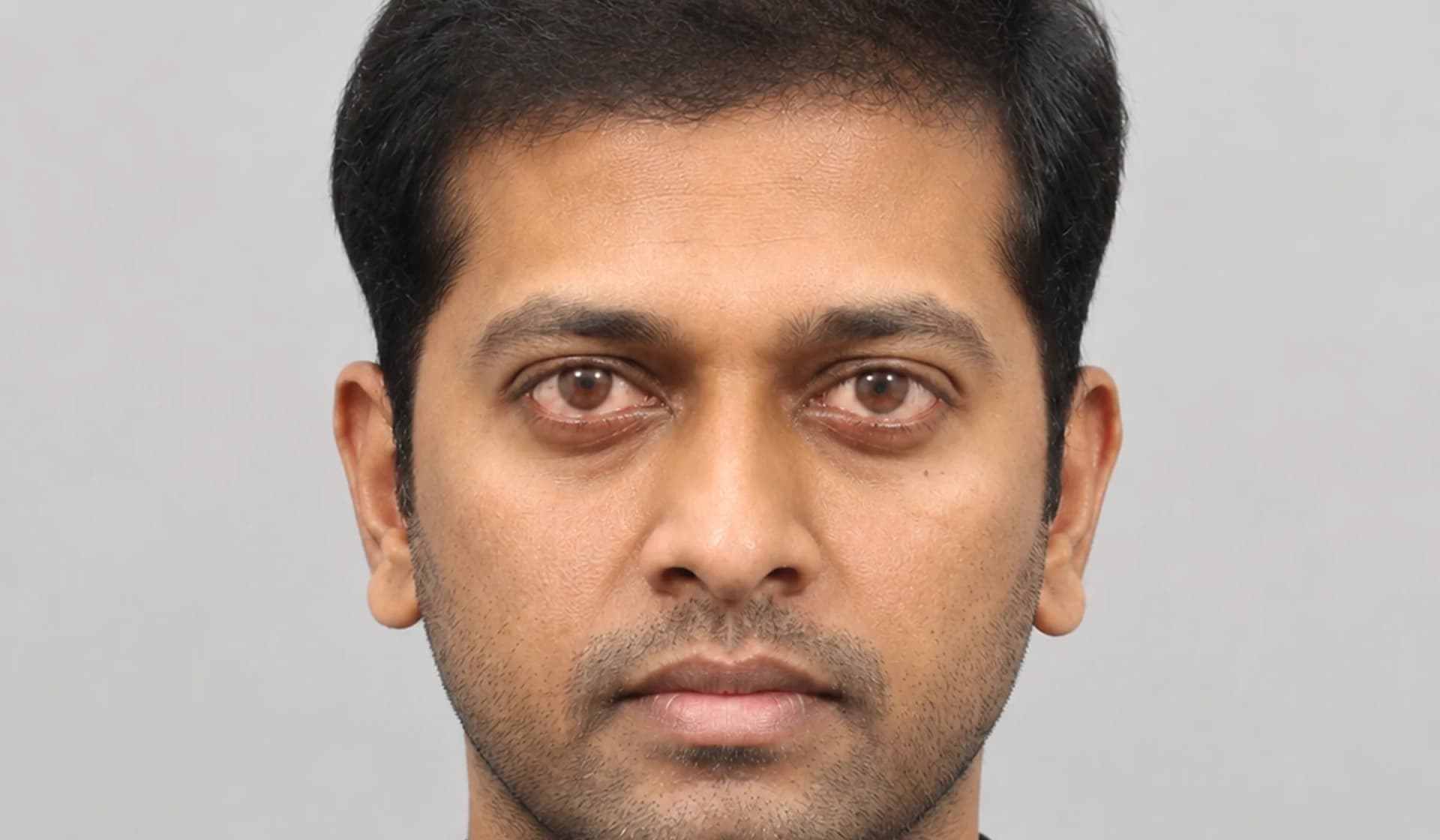
Consent-confirmed result example
Male Temporal Recession
View the comparison and individual-results context.
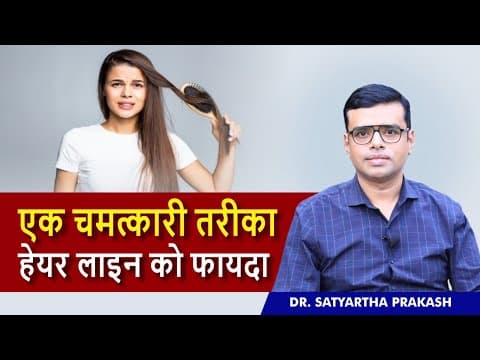
Watch the doctor explain
Receding Hairline: Doctor Video
Dr. Satyarth Prakash discusses receding-hairline concerns and why the cause, rate of change, donor capacity and long-term design should be assessed together.
Crown and hairline graft-priority guide
Medically reviewed patient education from Radiance Clinics.
Dr. Satyarth Prakash
20+ of doctor-led clinical experience.
“Dr Satya Sir is very good, I did not feel any pain in my transplant, initially I was scared but Sir told me that there will not be any pain, it has been 2 years since my transplant, I am very happy.”
Umakanta Pradhan · Google review
In the media · Hindustan Bytes
Dr. Satyartha Prakash and the Evolution of Hair Transplantation in Odisha
View the verified publication record and original article link.
Mature hairline or receding hairline?
A hairline can change after adolescence without automatically requiring surgery. Ongoing temple recession, a thinning forelock or change behind the line may suggest a progressive pattern that deserves assessment.
Photographs taken over time can help show progression, but diagnosis and treatment choice still require examination. Medical preservation may be discussed before surgery when loss is active.
Female frontal hairline considerations
Selected women may seek correction for a naturally high or thinned frontal hairline. Diffuse thinning and donor miniaturisation must be excluded before a transplant plan is considered.
The shape and direction of a female hairline differ between individuals. Design should follow existing facial and hair characteristics rather than a standard template.
What to expect
A clear path from assessment to follow-up.
- STEP 01
Assessment
The doctor reviews recession, progression, donor supply and the wider pattern of hair loss.
- STEP 02
Design discussion
A proposed line is considered against facial proportion, age, direction and long-term donor needs.
- STEP 03
Recovery and review
Aftercare, shedding and gradual growth are explained before surgery and reviewed afterwards.
Related care
Continue your research.
Hair transplant consultation
Review complete suitability and donor planning.
Doctor video: receding hairline options
Watch Dr. Satyarth Prakash discuss why lower is not always better.
How graft planning is assessed
Read why a reliable estimate needs more than a photograph.
Hairline transformation examples
Review consent-confirmed comparisons with individual-results context.
Treatment category overview
Compare relevant treatment pathways and concerns.
Related patient guide
Read practical guidance before choosing a treatment.
Related patient guide
Read practical guidance before choosing a treatment.
Related patient guide
Read practical guidance before choosing a treatment.
Related patient guide
Read practical guidance before choosing a treatment.
Related patient guide
Read practical guidance before choosing a treatment.
Related patient guide
Read practical guidance before choosing a treatment.
Related patient guide
Read practical guidance before choosing a treatment.
Related patient guide
Read practical guidance before choosing a treatment.
Visiting from elsewhere in Odisha
Plan a visit to the verified Nayapalli, Bhubaneswar clinic.
Questions patients ask
Hairline Correction FAQs
Some treatment may help preserve or support suitable existing hair, depending on the diagnosis. An established bare area cannot be assumed to regrow with non-surgical treatment.
There is no standard measurement for everyone. Age, facial proportion, existing hair, future loss and donor supply determine a responsible design.
Selected asymmetry may be addressed, but natural hairlines are not perfectly symmetrical. Suitability depends on the cause, available donor hair and realistic goals.
It can. Existing non-transplanted hair may continue to thin, so preservation and future planning are important parts of the consultation.
Discuss suitability with the doctor before choosing treatment.
Results, recovery and the number of sessions vary. A consultation is required to assess the concern and recommend an appropriate plan.