How to Know If You’re a Good Candidate for FUE or FUT?
Hair loss can affect confidence at any age, and a hair transplant offers a long-term and natural-looking solution for many people. Two of the most common techniques used currently are FUE (Follicular Unit Extraction) and FUT (Follicular Unit Transplantation). While both hair transplant methods are effective, not everyone is an ideal candidate for both.
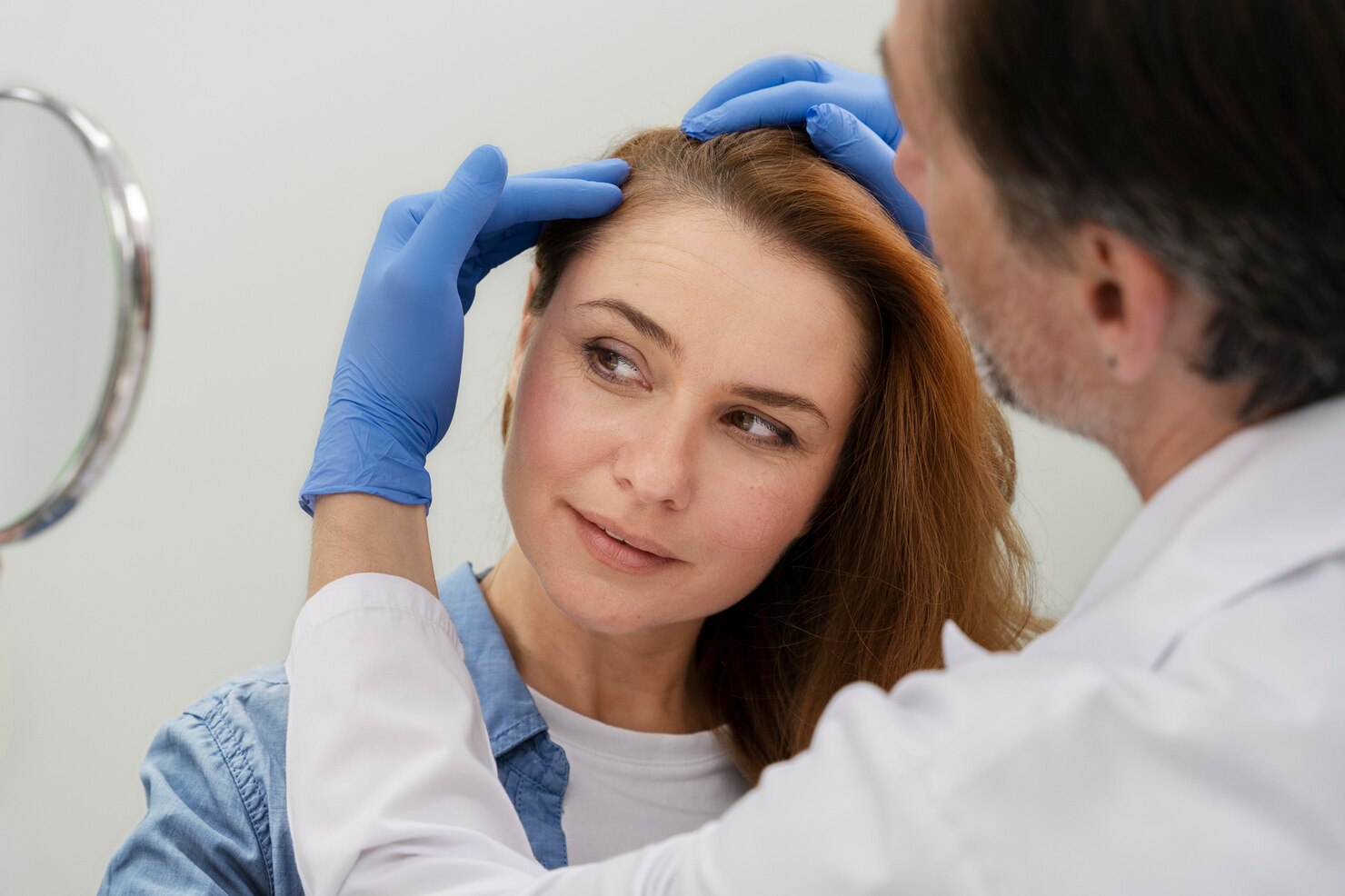 Please check out this post and know whether you are a good candidate for FUE or FUT to achieve safe, successful, and satisfying results:
What are the Basics of FUE and FUT?
FUE is about extracting individual hair follicles from the donor area and implanting them into thinning or bald areas. FUT involves removing a thin strip of scalp from the donor area and harvesting follicles from that strip for transplantation.
Both transplant techniques restore hair naturally. The right choice depends on your hair type, hair loss pattern, expectations, and scalp condition.
Why Does the Condition of Your Donor Area Matter?
One important factor in determining whether you are a good candidate for a hair transplant is the quality of your donor area. The donor area, which is usually at the back or sides of the head, should have healthy, strong hair growth.
If your donor hair is dense and thick, you may be right for either FUE or FUT. If the donor area is limited or weak, your doctor might recommend one technique over the other or suggest a more conservative approach.
Your Stage and Pattern of Hair Loss
Hair transplants are ideal for people with stable or predictable hair loss patterns. If your hair loss is progressing rapidly, your surgeon might advise waiting or planning treatment in stages.
FUE is often preferred for smaller or moderate areas of hair loss. But FUT can be more suitable when a large number of grafts are needed in a single session. Your current and future hair loss pattern helps you decide the right method.
Your Hair Type and Scalp Characteristics
Your hair texture, thickness, curl pattern, and scalp flexibility influence candidacy. People with thicker or slightly wavy hair achieve better visual density with fewer grafts.
Scalp laxity, which refers to how flexible your scalp is, is important for FUT. A more flexible scalp usually makes FUT a much safer and more comfortable option.
Your Expectations Must Be Realistic
A hair transplant can significantly improve appearance, but it cannot give you the same density you had as a teenager. Good candidates should understand this and have realistic expectations about coverage, density, and overall results. If you are looking for a natural improvement rather than perfection, you are more likely to be satisfied with the results.
Your Overall Health and Lifestyle
Good general health is necessary for any surgical procedure. Conditions like uncontrolled diabetes, certain skin disorders, or heavy smoking habits can impact healing and results.
If you are in reasonably good health and can follow post-procedure care instructions, you might be a suitable candidate for either FUE or FUT.
Final Consideration
Being a good candidate for FUE or FUT depends on several factors like your donor hair quality, hair loss pattern, health, and expectations. When these elements match, a hair transplant can deliver natural and long-lasting results. To learn more about the hair transplant methods, please contact Radiance Skin & Hair Clinics today.